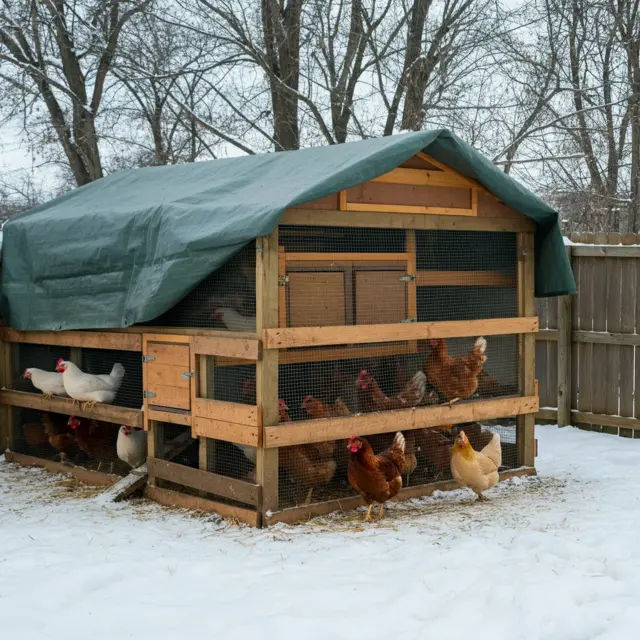
When the leaves start to fall and the weather gets colder, you might wonder how to create a cozy winter chicken coop. How to keep your chickens warm in winter? What other things do I need to prepare or be on the look-out for? Although your chickens are quite comfy in their fluffy, feathered coats, they do need a little extra care. Especially if you want them to stay healthy and to produce lots of eggs. Luckily, winter-proofing your coop doesn’t have to be complicated or costly. With a few adaptations, you can prepare a warm and cozy winter chicken coop.
So, prepare for the fact that ‘winter is coming’…. I’ll walk you through my 9 expert tips for winterizing your chicken coop.
Why Winterizing Your Chicken Coop is Essential
As the temperatures drop, chicken can be exposed to cold, moisture and drafts. All of these lower the sensible temperature, the temperature your chickens feel. This can cause stress and lead to illness, lower egg production, and even death in extreme cases.
Here’s why it’s so important to winterize your chicken coop:
- Prevent hypothermia and frostbite: Chickens are tough, but prolonged exposure to cold can cause hypothermia and frostbite, especially on their combs and feet.
- Maintain egg production: Cold temperatures can slow down egg production or stop it altogether. Keeping your chickens warm helps them continue laying through the winter.
- Promote good health: A well-prepared coop reduces stress and keeps your chickens free from diseases that can thrive in damp, cold environments.
- Lower feed cost: Hens need more energy to stay warm in cold weather, so they will eat more. For this reason, professional poultry farms tweak indoor sensible temperature and keep it at the optimum.
By taking a few simple steps to winterize your chicken coop, you can keep your hens comfortable, healthy and productive all winter long.
For more tips to create a cozy chicken coop all year-round, read our Ultimate Chicken Coop Guide.
Heating Your Coop in Winter is Often Not Needed
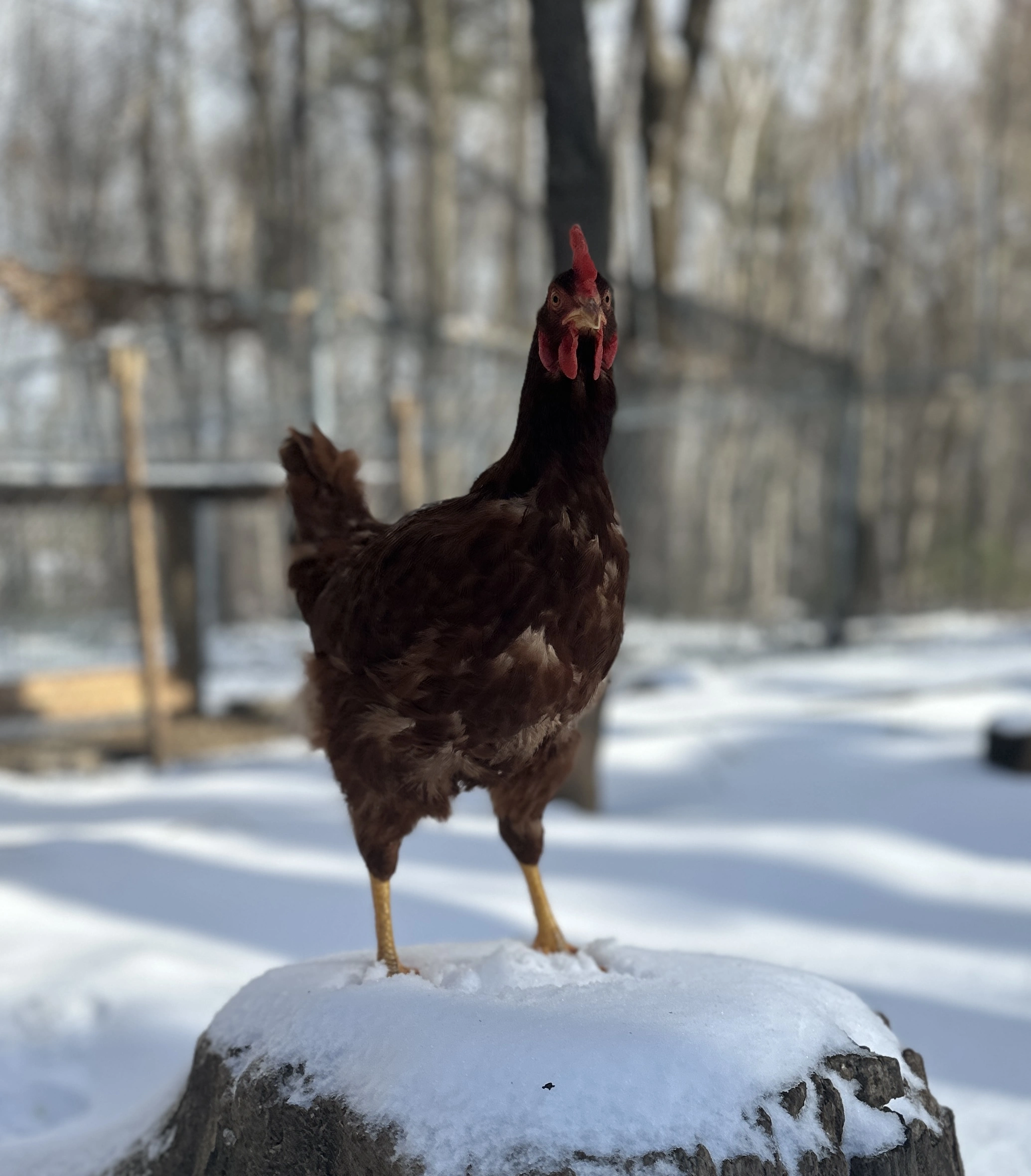
One of the main concerns I hear from hobby chicken keepers if whether their flock will stay warm without a chicken coop heater. It’s normal to worry about your chickens in cold weather, but the truth is, that most layer hens do not need heaters. Chickens can manage their body temperature in freezing temperatures slightly below zero, as long as they have a well-insulated chicken coop.
To ease your mind, I will answer the three main questions I get from fellow chicken keepers.
- How cold is too cold for chickens?
- Should I use a chicken coop heater?
- How do chickens stay warm naturally?
By the end, you’ll see why heating isn’t usually necessary (unless in extreme cold) and discover simple ways to help your chickens stay cozy throughout the winter months.
What is the optimum temperature for chickens?
Well, this depends on their age, breed, weight and even feather coverage. Young, small, non-cold hardy breeds need higher temperatures. For example, for day-old chicks optimum temperature is 97°F (36°C) or even slightly above, while for layer hens it is a broader optimum zone around 68°F (20°C). But, laying hens can handle even lower temperatures quite well themselves.
What temperature is too cold for my laying chickens?
There is no minimum, as long as you winterize your coop well and take extra care of your chickens. If you follow the tips in this article, your hens can handle temperatures of 12°F (-10°C).
Do I need to heat my chicken coop in Winter?
Good news! Heating your chicken coop is normally not necessary if you keep layer chickens. It can sometimes do more harm than good.
Heating is only necessary in extreme cold or for very young birds. In these cases, use safe options like panel heaters or hanging heat lamps. Unsafe heaters can be a fire hazard or cause carbon monoxide poisoning.
Why heating isn’t always needed:
- Chickens are cold-hardy: Most chicken breeds are more resilient to the cold than people think. They have feathers, that are great insulators, and their bodies naturally generate heat. I often say “If your chickens have good feather coverage, they have their coat on”. But, be aware that some chicken breeds are more cold-hardy than others.
- Risk of overheating: If you overheat the coop, your chickens might suffer from heat stress. Also, bacteria grow faster in warm and moist conditions, which might cause diseases.
- Energy Costs: Heating your chicken coop can be expensive and unnecessary.
Instead of heating your chicken coop, focus on insulation, ventilation, and other winterizing factors to keep your flock comfortable. Read further to find out more!
Insulation is Key to Winterize Your Chicken Coop
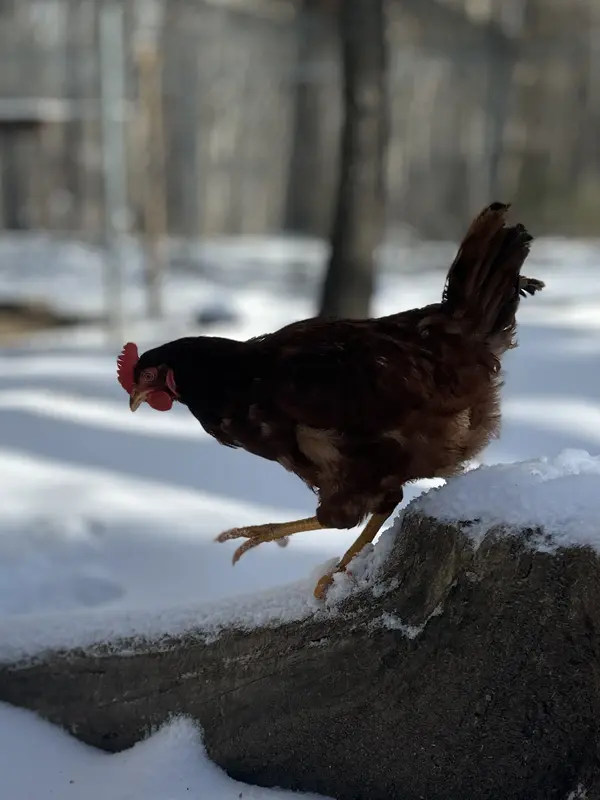
One of the most important steps in winterizing your chicken coop is insulation. Insulation helps keep the cold out and the warmth in, and prevents the coop from becoming too chilly or drafty. Without insulation, even heaters won’t make much of a difference.
Insulating your chicken coop may seem like an unnecessary luxury if it does not get freezing cold in your country. But even in more moderate climates, it’s a simple upgrade that pays off big time all year long. It does not only keep your chickens warm in colder weather, it also protects from heat in summer.
Key insulation tips for your winter chicken coop
My most important insulation tips are:
- Insulate the WHOLE coop: The floor, walls, roof and nesting boxes of your chicken coop all need to be insulated. Use recycled materials or make a quick trip to your local hardware store.
- Seal Gaps and Cracks: Check for any gaps or cracks in the coop’s structure that could let in cold air or rain and moisture. Check regularly and fix it ASAP!
- Provide a thick layer of bedding: Add a thick layer of bedding on the floor of the coop and in the nesting boxes for natural insulation.
Insulation materials that are DIY-friendly
Insulate your chicken coop with recycled materials or make a quick trip to your local hardware store:
- Foam Board or Spray: A great option for the walls, roof and floor because it is lightweight, easy to cut to size or sprayable, offers good thermal resistance, and resists moisture. For attaching foam boards, you can use adhesive, staples, or nails to stack multiple layers for added insulation.
- Fiberglass: It can be used as a vapor barrier to prevent moisture buildup. It is effective in borh cold and hot climates.
- Reflective Foil Insulation: It can be attached to the inside of the walls and roof. It will relfect heat away in summer, and keep warmth in during winter.
- Straw or wood shavings: Use a thick layer of chopped straw or wood shavings on the coop floor and in the nesting boxes as bedding. It provides natural insulation to keep your chickens’ feet warm, and absorbs moisture. For large chicken coops, straw bales can be used as wall isolation. You will need an interior and exterior wall quite far apart, to fit them in between.
- Bubble Wrap: Cut the bubble wrap to fit your coop’s walls and secure it in place with tape or tacks. The trapped air in the bubbles will prevent the cold from seeping in.
- Recycled cotton insulation: Eco-friendly and works well for insulating walls. A cheaper option is using old blankets or tarps, but secure them well.
Ventilate Your Winter chicken Coop Without Losing Warmth
Begin with a question or a striking fact, such as, “Did you know that poor ventilation can harm your chickens more than the cold itself?
Did you know that ventilating your winter chicken coop is key to keeping your hens healthy? While a well-insulated coop helps keep your chickens warm, ventilation is equally important to keep the air fresh and the coop dry. It is a delicate balance. Too little or no ventilation leads to the build-up of moisture and ammonia in your chicken house, harming their breathing organs. On the other hand, too much ventilation or draft makes the coop feel cold. Both can cause stress and health problems. The key is to find the right balance. Strategically position your vents to create a gentle flow of air, and keep the coop warm and cozy with insulation.
Keep Vents High, and Drafts Low
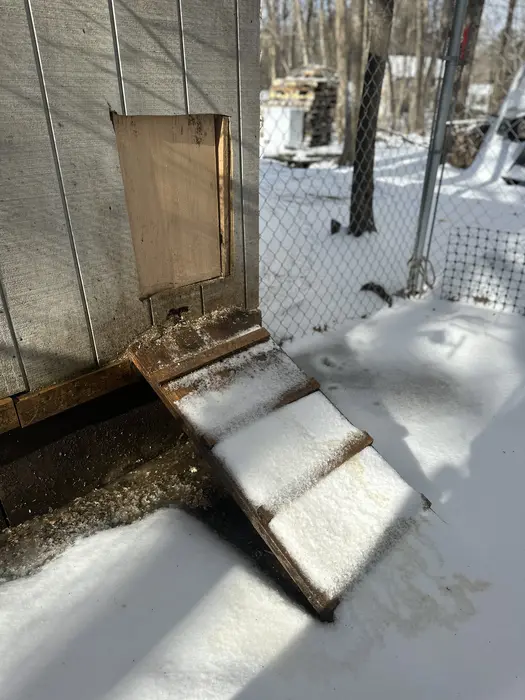
Position vents high up in the coop, near the roof. This lets warm, moist air rise and escape. Meanwhile, the cold incoming air heats up before reaching your hens. The last thing you want is the cold air flowing directly over your chickens.
Break the Wind
Position your coop in a sheltered spot, away from the wind. If this is not possible, create your own windbreak fence. Use shrubs or tall plants, add tarps or clear plastic panels, stack straw bales, repurpose pallets and/or cover your chicken run.
Seal the Gaps, Not Airflow
Use weatherstripping, silicone sealant, or foam tape to seal off the edges around doors, windows, and seams of your coop to prevent drafts from creeping in. Make sure the ventilation openings remain unobstructed, or only partially covered (in very cold weather), to allow airflow.
Invest in Adjustable Vents
Consider investing in adjustable vents so you can reduce the size of vent openings depending on the weather.
Keep Chicken Water from Freezing
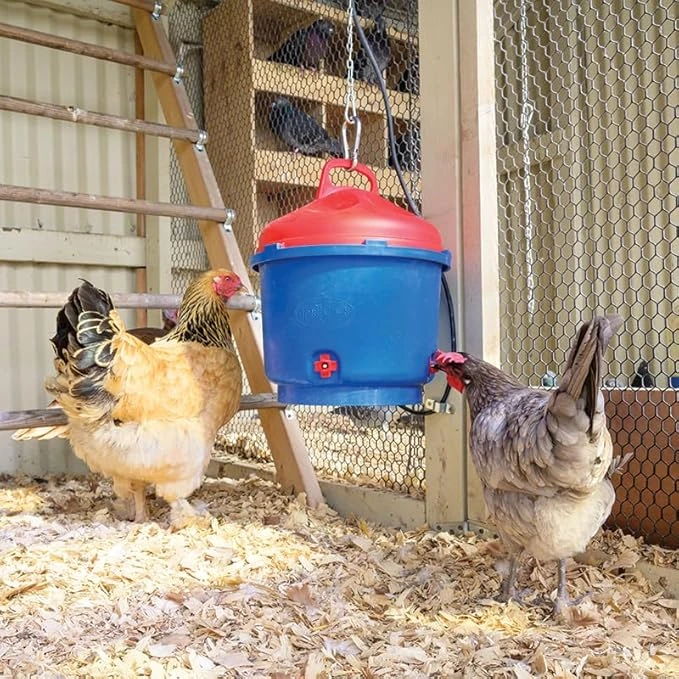
One of the biggest challenges of hobby chicken keepers in winter is to keep the water from freezing. Frozen water is obviously off-limits, since you don’t want your hens to become dehydrated or sick. Although there are many myths and ineffective methods online, in my opinion the best strategy is to use a heated chicken waterer. Several types exist, but I advise to buy a fully heated chicken waterer with nipples. Don’t forget to check waterers frequently.
For more information, next week an article will be up on How To Keep Chicken Water From Freezing.
What to Feed Chickens During Winter?
Another question I often get asked is: What to feed my chickens during winter? The short answer is: high quality chicken feed. However, there is more to it than that. Discover more, and let’s make sure your hens are well-fed and ready to face the cold!
Chickens Eat To Meet Their Nutrient Need
Chickens eat to meet their nutrient need, meaning they adjust their feed intake and feed choice to whatever they need the most. You might wonder, what are nutrients? Well, nutrients are for example proteins, carbohydrates, fats, minerals, vitamins, and more. Protein obviously supplies protein, consisting of amino acids, to build muscle and produce eggs. Carbohydrates and fats are the main sources of energy. Vitamins and minerals are needed for several body processes. For example, calcium is needed to produce eggshells.
In winter, chickens need more energy to stay warm. Therefore, providing high-quality feed is key!
Make sure you provide enough high quality chicken feed
High-quality chicken feed contains all the necessary nutrients for healthy and productive hens. In winter, this is even more important since weather conditions are challenging. Your hens might eat a little more feed than usual to stay warm, or less if they stopped laying eggs. Let me explain…
Save Money On Feed If Your Hens Stopped Laying
Since day length shortens, your hens might have stopped laying eggs. This lowers your chickens’ need for energy, protein, and even calcium for egg shells. You might be missing your fresh eggs at breakfast, but your hens will get some rest so they can handle the cold weather. So, sometimes your chickens will eat less instead of more in winter. This saves you money on chicken feed.
IF your hens stopped laying, to save money, add 1 scoop of grains, like corn or wheat, to every 5 scoops of layer feed. This way, the feed will contain less protein and more energy, which is better suitable for hens that stopped laying eggs. Don’t add more, since then there will be too little protein and other nutrients.
Myths About Feeding Chickens in Winter
In my opinion as an expert, a chicken nutritionist with more than a decade of experience, many advices given online do not make sense.
Take my word for it, and do NOT:
- Offer more greens, vegetables and kitchen scraps. Your chickens might fill up on this low calorie meal and eat less complete chicken feed. They need high quality feed with all essential nutrients now more than ever. IF your hens stopped laying, you can add a little grains for energy like advised above.
- Supplement with protein-rich feed or supplements. Your chickens do not need extra protein in winter if they are laying like usual. If they stopped laying, they even need less protein.
- Provide extra grit. It is really not necessary. Normally, you provide grit freely in the grit feeders, and your chickens will eat what they need. If they stopped laying, it is normal that they eat less grit. Especially less calcium grit, which is soluble and cosists of oyster shells or limestone, since they don’t need to produce egg shells.
- Feeding warm treats like warm oatmeal, hot corn or warm mash also really isn’t necessary. Grains do provide extra energy, but you can also simply supplement with whole grains. However, it also does not do much harm if you clean the bowls well every time so your coop does not get messy.
Click to read more on How to choose the best chicken feed for healthy hens.
Protecting Your Chickens from Frostbite
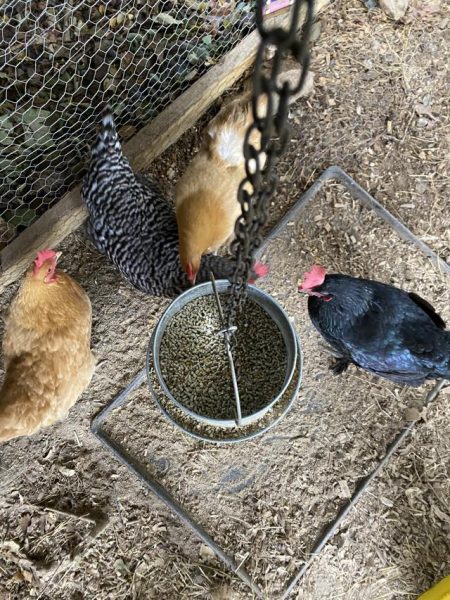
Frostbites occurs when the delicate tissues of a chicken’s comb, wattles, or feet freeze due to prolonged exposure to cold, wet conditions. This is painful and can cause permanent damage to these areas, and even partial loss of comb or feet.
Here’s how to protect your chickens from frostbite during the winter months:
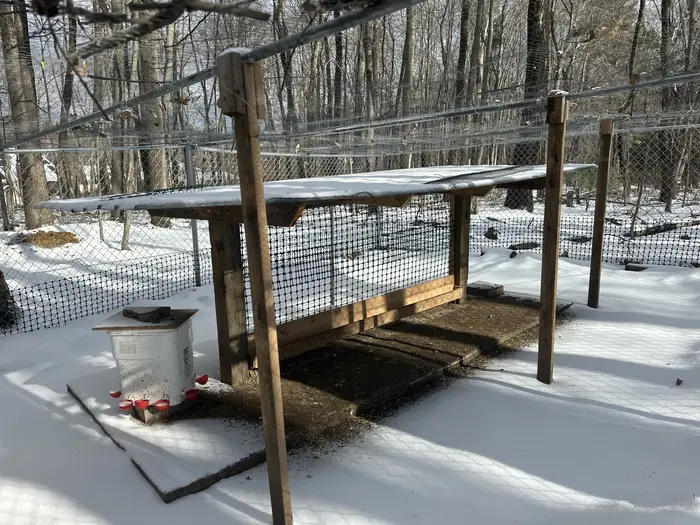
- Keep the coop and run dry and snow-free. Avoid leaving your chickens out in freezing conditions. If you notice any snow or ice buildup, clear it right away to prevent your chickens from standing in it for too long.
- Keep ventilation balanced. Direct cold wind with too much moisture can increase the likelihood of frostbite, so proper ventilation is key.
- Layer the coop with deep bedding to insulate the coop ground and keep their feet warm and dry.
- Use heated perches. Invest in a heated perch for your chickens to keep them off the cold floor and give their feet the chance to warm up.
Do NOT use petroleum jelly (Vaseline) on the beak or other parts of the chicken. It will not help against frostbite, and dirt and feed will stick to it.
Keep Predators and Rats Out
Winter is not only challenging for your chickens. Also rats and predators are looking for water, food and shelter. In this secton, we’ll cover the best ways to protect your flock from these threats.
Protect your chickens from predators
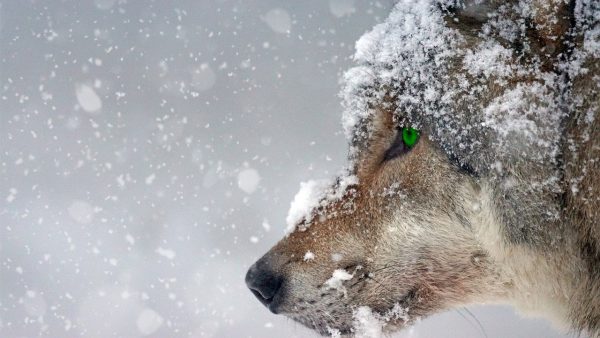
Winter can bring out the worst in predators looking to make a meal out of your chickens. Foxes, coyotes, raccoons, opossums, weasels, hawks and many more predators will try hard to get in your chicken coop and run.
Protect your chickens from predators with these tips:
- Strengthen your coop and run: Make sure your chicken coop and run are predator-proof by reinforcing the walls, doors, and windows with heavy-duty materials like hardware cloth or metal mesh.
- Lock the coop at night: Always make sure the coop is securely locked at night, and check for any possible entry points.
- Install motion sensors or lights: Motion-activated lights or alarms can deter predators like raccoons or foxes from coming near your coop.
Keep rats Out
Rats like the same things your chickens do. But you don’t want them to move in! They will eat your chickens’ feed and spread diseases.
Tips To Keep Rats Out:
- Remove feed and shelter. Although it is not possible to remove water, using a rat-proof treadle feeder does remove feed. Rats can’t eat from it, just your chickens. To remove shelter, make small adjustments to your chicken coop and run. Tips can be found here.
- Use rats traps and bait to trap them.
- Poisoning rats is the last resort. It causes a horrible death, and is toxic to other animals like your chickens as well. Also, it is a short term solution since it does not prevent new rats from making your coop their home.
Take Extra Care of Your Chickens in Winter
During winter, chickens need extra care to ensure they stay healthy and productive. Here are a few extra steps you can take:
- Monitor their health: Keep an eye out for any signs of illness, like lethargy or feather loss. If you spot any issues, consult your vet as soon as possible.
- Make sure they have enough space: With limited outdoor space during the winter, make sure your chickens have enough room inside the coop to move around without becoming stressed.
- Provide entertainment: Chickens can get bored during the winter months, so offer them activities like hanging treats, scattering treats for foraging or enrichment toys like cd’s, to keep them active and engaged.
FAQ
Most frequently asked questions were already discussed earlier in this article. However, there are a few more:
How do I know if my chickens are too cold?
Chickens will typically huddle together if they’re too cold. If they’re spending too much time inside and not laying eggs, they may be too cold.
Do chickens need a heat lamp in winter?
No, most adult layer chickens don’t need a heat lamp in winter. Focus on insulation and ventilation instead to keep them comfortable. Read the full section on this topic earlier in this article.
Should I provide extra light in te coop during winter?
Yes, providing extra artificial light in the winter can help maintain egg production by extending daylight hours. A shortening daylength in winter biologically causes hens to stop laying eggs, and moult. With artificial lighting, you can ‘trick’ your hens body into thinking daylength stays the same. Base the amount of hours of light on the maximum day length in your country, and aim for 14-18 hours.
How do I keep the run usable in snowy or icy conditions?
Shovel the snow regularly, and use de-icing salt to remove or prevent ice. Covering your run on the top and the windy side will prevent snow from getting in. Your hens don’t like change, and can be spooked by snow in the beginning. So, it is important to keep them comfortable and make sure they can access a (partly) snow-free run.
Final Checklist
- Heating your coop is often not needed for adult laying hens
- Insulate the coop properly
- Ensure proper ventilation right under the roof, and prevent drafts
- Use a heated waterer to keep the water from freezing
- Provide enough high quality feed
- Protect combs and wattles from frostbite
- Secure the coop against predators and rats
- Check your chickens regularly for health issues
Final thoughts
Winter can be a challenging season for both you and your flock. But with thoughtful preparation and a bit of extra care, your chickens will be cozy and comfortable in their winter chicken coop. A few investments might be needed, but overall winterizing your coop doesn’t have to be difficult or expensive. Stick to a schedule of more regular checks, to save you and your hens stress.
Remember, happy chickens make for happy chicken keepers!