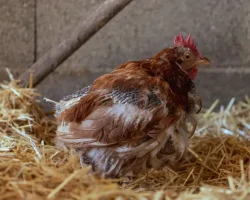
Since you started reading this article, you are probably a bit worried about your chickens pecking at each other. Fear not! First of all, because not all pecking is harmful. Chickens also peck to establish the pecking order. Secondly, if you do have a feather pecking problem, I’ve got you covered with expert tips on how to stop chickens from pecking each other.
If you have a feather pecking problem, it often becomes quite a big deal… It can lead to serious problems such as injuries, feather loss, severe stress, and in some cases even death. Especially if you are just starting out, it is important to recognize feather pecking and step in to control this behavior. Prevention is the best course of action!
As someone who has seen chickens peck at each other in many farms and my own backyard, I would like to help you to better understand this behavior. In this article, we will touch on why chickens peck, as well as when it is normal, and when it is not. I also want to walk you through ways in which you can prevent it from happening by using strategies that really work.
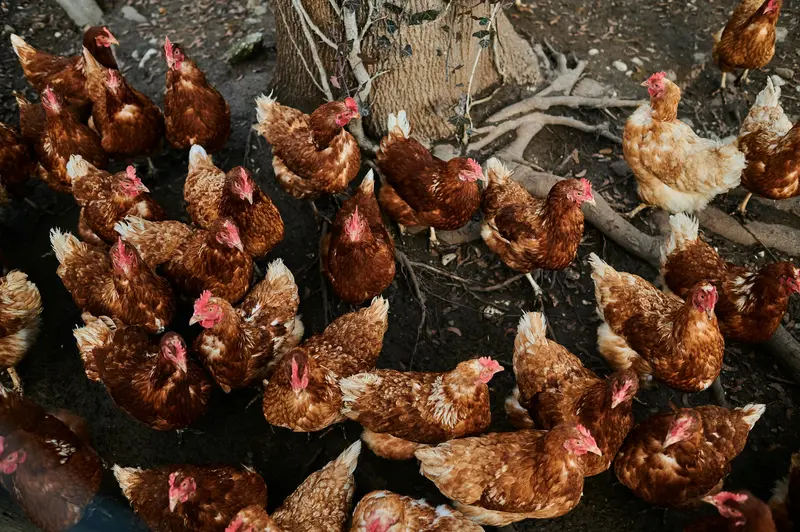
The Pecking Order: Why Chickens Peck Each Other
Let’s talk about something called the “pecking order”. Chickens are highly social animals but have a strict sense of hierarchy. This pecking order is the way in which they figure out who is the boss of the coop.
Think of it as a social ladder where at the top you have the alpha hen, otherwise known as rooster, and at the bottom there are the more timid chickens who tend to get picked, (or pecked) on a bit more!
How Do Chickens Establish Rank?
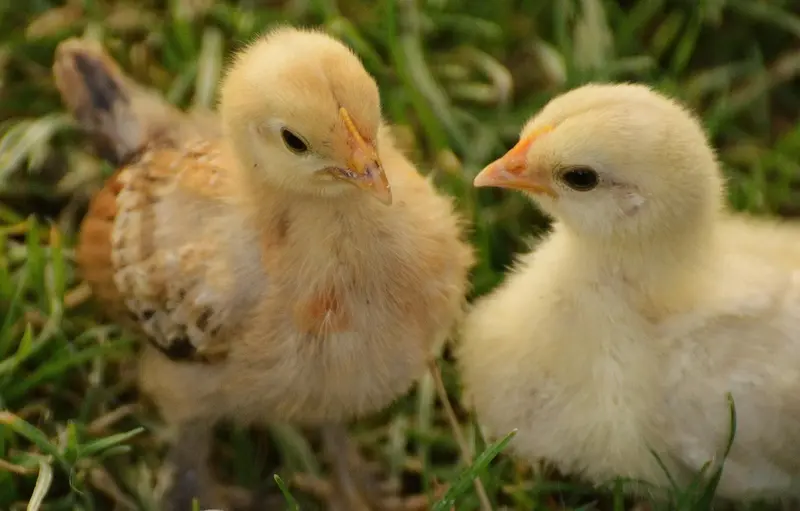
Chickens start to peck at each other from a young age, and you will often even find young chicks pecking at others. This is how they test their boundaries and sort out their social ranks. This behavior is completely natural, and the stronger and more dominant chickens will peck at the weaker ones to reinforce their place in the flock.
It is, however, important to remember that not all pecking is okay, and when it goes from an occasional peck to continued aggressive attacks, it is time to act.
When Is Pecking Normal vs. Harmful?
Acceptable pecking is brief, doesn’t cause injury and does not happen very often. It is normally just a quick jab to let the other chickens know who is in charge. But when pecking is repetitive, targeted and causes injuries such as bald spots it should be seen as a problem.
Common Questions
Q: When Should I Become Concerned About My Baby Chicks Pecking Each Other?
A: While this is normal and simply a way of establishing a pecking order early in in life, it is crucial to watch for any chick that seems to have been singled out or is showing signs of injury.
Q: Can A Rooster Help Stop Hens from Pecking?
A: Sometimes mature roosters play a part in maintaining order in the flock, but if the rooster is younger or aggressive, it can make things even worse.
Types of Pecking and Their Meanings
Not all pecking is the same, and it is important to understand and spot the different types before things get too serious.
Gentle Pecking
This type of pecking can be described as a nudge or a curious poke and involves chickens using their beaks much the same as we use our hands to explore the world and interact with others. Some people also call it ‘feather licking’ rather than feather pecking. This type of pecking often happens when chickens are grooming each other, and in most cases, there is nothing to worry about.
Feather Pecking
This is a little more serious, and can range from mild, where a few feathers are lost here and there, to severe, where chickens start to display bald patches or wounds.

Cannibalistic Pecking
This is the worst version of pecking and happens when chickens peck to the point that they start drawing blood. Unfortunately, this can quickly turn into a situation where other chickens join in. Intervening straight away is important and can often mean the difference between life and death.
Aggressive vs. Behavioral Pecking
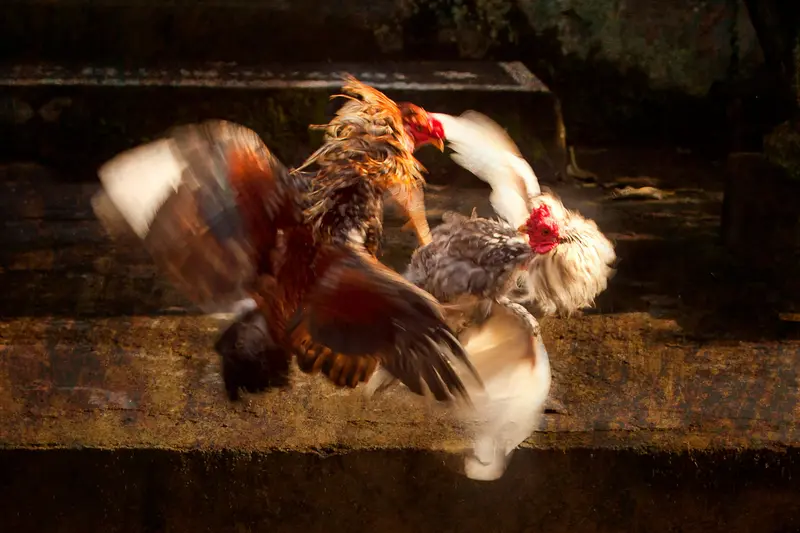
- Aggressive pecking: This type of pecking is targeted, relentless and carried out by one or two dominant birds.
- Behavioral pecking: This pecking is caused by boredom and stress and is not related to any kind of dominance.
Common Questions
Q: Why Do Chickens Peck at Bloody Spots?
A: Chickens are attracted to the color red, and even a small wound can become a dangerous target for more pecking.
Q: Is Feather Pecking Always Aggressive?
A: Not necessarily. It can also be caused by boredom or stress.
Causes of Harmful Chicken Pecking
So now the big question. Why do chickens to start pecking at each other in the first place?
1. Overcrowding
Chickens need space both inside the coop and outside in the run. If they are crammed into small areas they will start to get irritated, and this is where tempers will start to flare.

2. Boredom
Chickens are naturally active and very curious, and if there is not enough for them to do, they may end up turning on each other out of sheer boredom.
3. Poor Nutrition
Feed quality and access are key. If you feed your hens low-quality feed, or mix in too many treats or grains, your hens might be lacking nutrients. A lack in protein and amino acids, and other nutrients such as sodium, can cause your hens to peck at each other. More importantly, if your hens cannot access the feed this is a huge stressor! You might have too little feeder space for all your hens, or simply feed them too little.
4. Heat Stress
When conditions in the coop are too hot, chickens experience heat stress, and heat stressed birds are more likely to peck at each other. This is especially true when they are competing for water or shady spots.
5. Lighting Issues
Chickens can become overstimulated when there is too much light, or light that is too harsh, especially when artificial lighting is on for too long. Also, lights that flicker can be a cause of stress and chickens pecking at each other. Remember chickens see differently than we do. Chickens process around 150-200 images per second, while humans only process 20-30 images per second. So lights that do not seem to flicker to use, might flicker in the eyes of your chickens.

6. Introducing New Birds
New chickens that are thrown into an established flock without a proper introduction can easily become victims of pecking.
Common Questions
Q: How Do I Know If My Coop Is Too Crowded?
A: If you notice that your birds are unable to spread out or get away from each other then the coop is definitely too crowded.
Q: Can Too Much Light Really Cause Pecking?
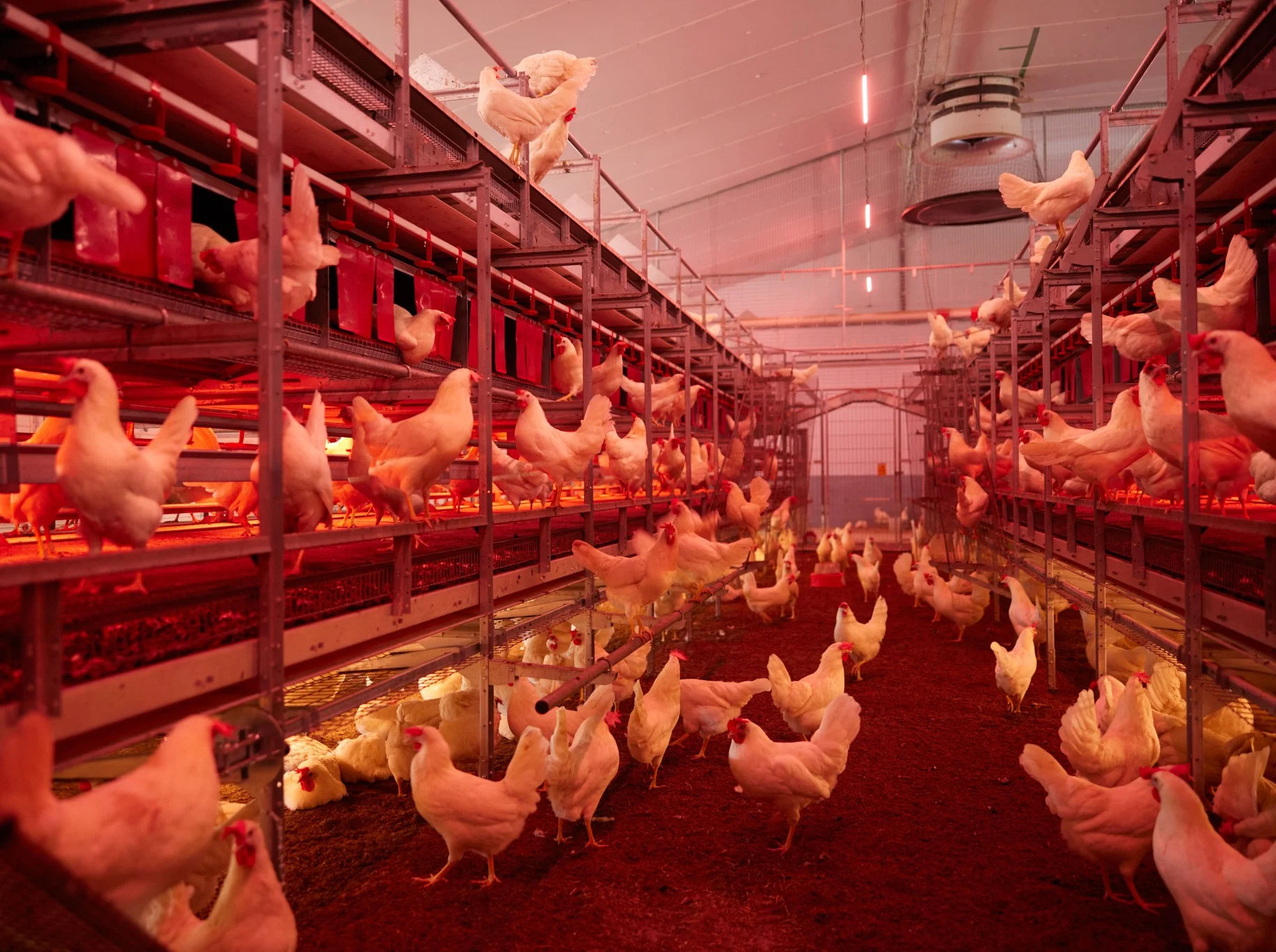
A: Absolutely. Chickens become aggressive or restless when there are too many hours of light, the light is too bright, or is flickering. Try to use soft, non-flickering lights to calm them down. In professional poultry farms red lights are sometimes used to prevent severe pecking. Red lights make blood, wounds, and even the cloaca stand out less.
Practical Strategies to Prevent chickens from Pecking each other
Now that you know more about what causes pecking, it is time to talk about ways in which to stop your chickens from pecking at each other.
Give Them Enough Space
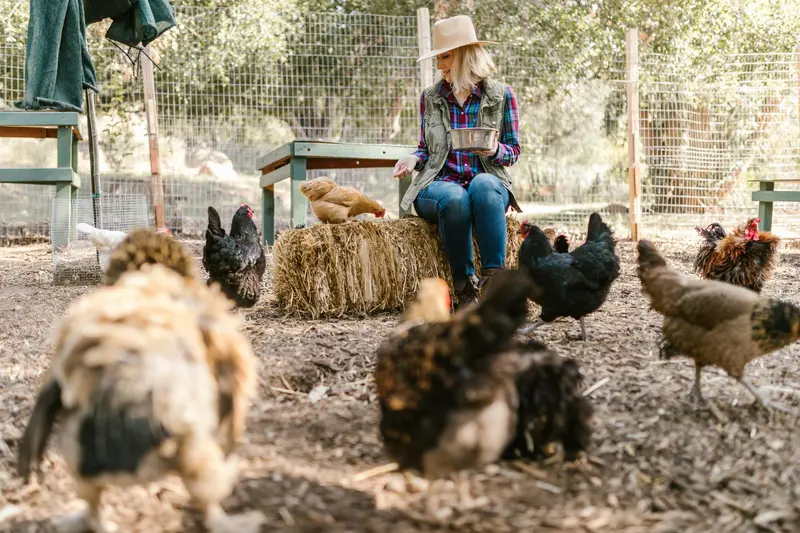
Always make sure that your chickens have enough room to roam and roost. As a rule of thumb, it is recommended that there is at least 3-4 square feet per chicken inside the chicken coop and 10-12 square feet per bird in the run. You can also make use of vertical space such as perches, platforms and ladders to help reduce overcrowding.
Enrich the Environment
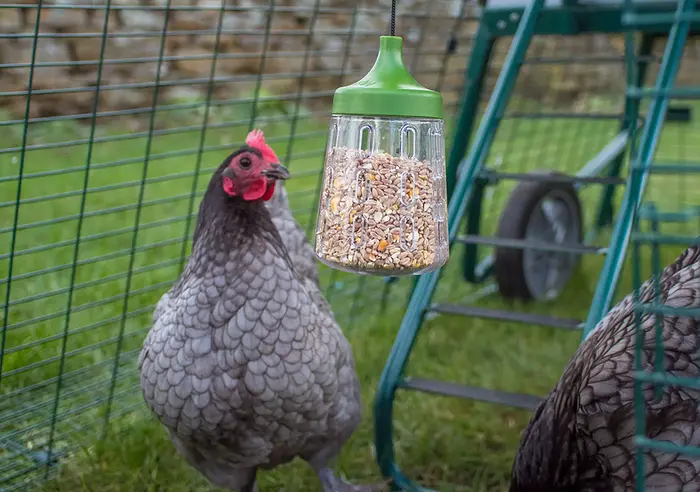
Chickens who are bored peck. It is important to make sure that there are things for your chickens to do inside the coop and run. Consider giving your chickens treats, like grains or broccoli, for them to peck at. You can put some treats in a pecking toy, which makes it more fun. You can also toss in some pecking blocks or even fill a plastic bottle with grains and poke holes in it. Additionally, you can make sure that they have areas with sand for dust baths, and always rotate toys to keep things fresh and new.
Improve Nutrition
Chickens who are well nourished are happier and less pecky birds. Most important is to give them enough access to feed. Make sure all hens can eat at the same time, and make sure the feeder is not emptied too quickly. Give your hens high-quality layer feed with enough protein.
There are also several anti-pecking feed additives on the market that contain herbs, minerals and essential oils to help minimize any aggressive behavior. However, in my opinion normal layer feed will do, as long as you don’t supplement it with too many treats. Stick to the 90/10 rule: 90% layer feed and 10% treats.
Manage Lighting
Light exposure should be kept to a maximum of 14-16 hours per day. When using artificial lighting, use the right color, intensity and frequency (avoids flickering). Color should be 2700-3000 Kelvin, frequency at least 150 Hz, and intensity (measured with a lux meter) about 5-10 lux. This helps to calm the flock and keep them at bay.
For more tips, check out my Ultimate Chicken Lighting Guide For Egg Production.
Monitor Flock Dynamics
Always keep an eye on your flock and look out for signs of injury or feather loss. Chicken saddles can be used to protect the backs of birds who seems to be victims of any bird who could be the main bully.
Integrate New Birds Gradually
When you decide to introduce a new bird into the flock start with a quarantine period and put them in a separate cage. This allows the birds to see each other but prevents them from touching each other. After a few days, you may allow them to mingle under supervision.
Emergency Measures for Severe Pecking
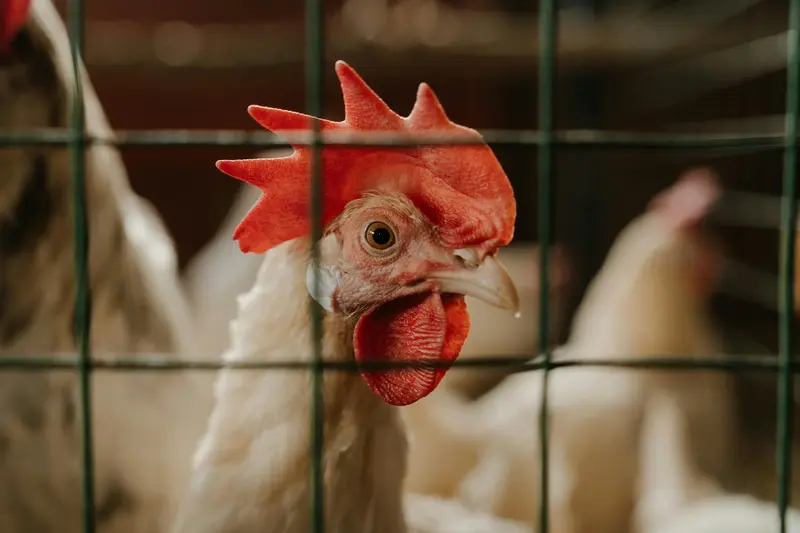
Unfortunately, despite your best efforts, pecking may get out of hand. This should be treated as an emergency. Here is what you need to do:
Separate Injured Birds
- Immediately remove any chicken that’s bleeding or badly injured.
- Place them in a safe, and quiet area so that they can recover.
Use Anti-Pecking Sprays or Blue Lotion
- These products have been designed to make the area that is already injured taste bad which in turn discourages further pecking.
- The blue dye in these products is also used to disguise the red color that attracts other birds.
provide red Light
- Chickens are attracted to the color red, and therefore might start pecking more at wounds and blood.
- Red light can help to mask blood and wounds, so they are not a target for even more pecking.
Try Chicken Blinders or Beak Guards
- These help to reduce targeted attacks by blocking a chicken’s forward vision.
- It is important to use these with caution and monitor your birds closely. In fact, they should be used as a last resort as they may cause stress of discomfort in your birds.
Know When to Call a Vet
In rare cases pecking may indicate underling health issues, so if you find that one of your chickens is seriously injured, lethargic, or showing signs of illness consult a poultry vet immediately.
Final Thoughts
Chickens pecking at each other is part of their natural instincts, but when it becomes aggressive it is often a cry for help. By learning how to prevent and stop your flock from pecking at each other, you play a huge role in preventing injuries and rearing a happy and healthy flock. Always remember that calm chickens lay more eggs, are healthier, and above all happier!