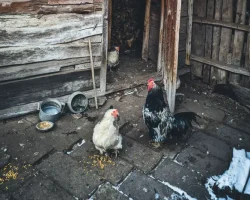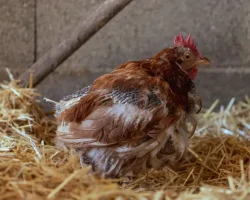
When disaster strikes, most people immediately think of their families, pets, and emergency supplies. But for many households across the globe, the backyard isn’t complete without a flock of clucking hens scratching in the dirt. Chickens are more than just egg layers; they are companions, a source of food security, and during times of stress depend on their keepers. Recently, as a poultry expert and the Clucker-in-Chief of Chicken Clucks, I have been interviewed by dr. Casara Andre from the Preparedness Collective.
We explored what preparedness as a chicken keeper really means. It isn’t only about disasters like bushfires or floods. It’s about being ready for the unexpected in the day-to-day; a wounded hen, sudden transport, or a feed shortage. The discussion ranged from the nitty-gritty of feeders and waterers to the broader theme of family
resilience. Our conclusion was a clear message: preparedness for chickens is preparedness for people too.
Read along for a summary of the interview about preparedness and backyard chickens.
Click here to listen to the full interview.
First Aid and Wound Care in the Backyard: Staying Calm in a Crisis
Injuries are one of the most common tests of chicken preparedness. Backyard flocks can face predators, accidents, or fights that go too far. For many keepers, the sight of blood is overwhelming. But as I stress during the interview, the first decision is simple: can this bird be saved or not?
It’s a confronting truth. Sometimes the kindest choice is euthanasia. Often, though, the wound is small and treatable. In those moments, staying calm is key. “Even if there’s blood, just stay calm. Try to catch the bird. Try to put it aside somewhere and try to stop the bleeding first.”
Stopping bleeding can be as simple as pressing on the wound and using cornstarch or styptic powder. Next, clean with boiled or bottled water and apply disinfectant. Blue-tinted disinfection sprays such as Blue-Kote both disinfect and mask the red color of blood, which prevents pecking from other hens. Red is the very colour that chickens instinctively peck at, sometimes to the point of cannibalism.
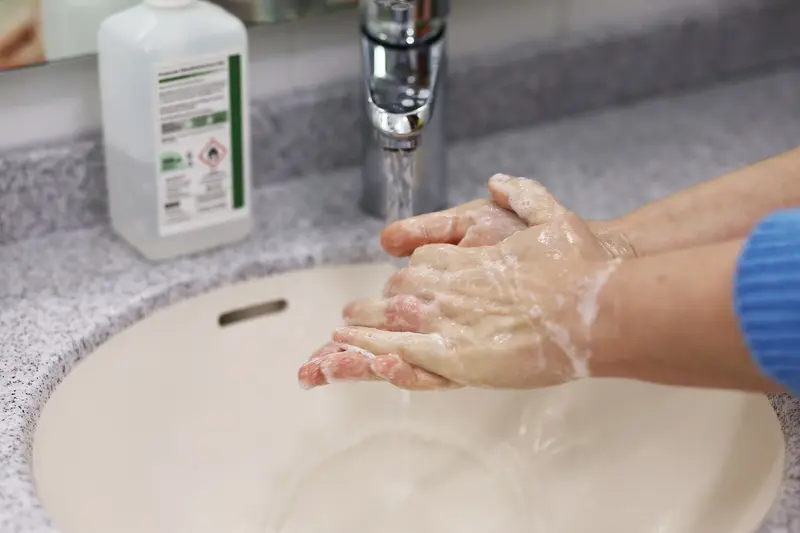
Remember hygiene too. Ideally, wash your hands with soap and disinfect them before treating a wound. In urgent situations, at least use disinfectants or alcohol sprays for your hands. When cleaning a wound, a syringe can help to flush dirt from wounds more effectively than simply pouring water. And in an evacuation, “if it’s either the chicken or you, then for sure leave them behind. First get your family safe.”
Chicken Crates, Carriers, and the Art of Safe Transport
Transport is also a big part of preparedness planning. Most backyard keepers are unprepared for the logistics of evacuating their birds. Yet in a country where bushfires and floods are yearly realities, this is not an abstract concern.
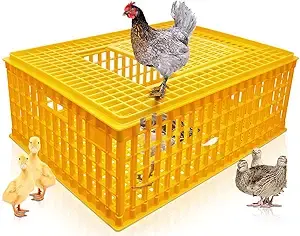
Special chicken transport crates are far superior to dog or cat carriers. They are shorter in height but wide and long, designed with chicken legs in mind, and built for ventilation. Made of lightweight plastic rather than heavy metal, they allow keepers to transport more chickens safely and hygienically. More importantly, “you can stack them easily, so you can fit way more chickens in your car or separate them nicely in the crates if you have multiple.”
Separation is not only about logistics but also about welfare. Aggressive birds should be kept apart, as should wounded hens, who are best placed at the top of the stack to avoid being soiled by droppings from above. Cardboard under the stack protects the car without compromising the ventilation that the crates are designed for. Don’t put cardboard in a crate since your chickens then lose their grip and a bit of ventilation.
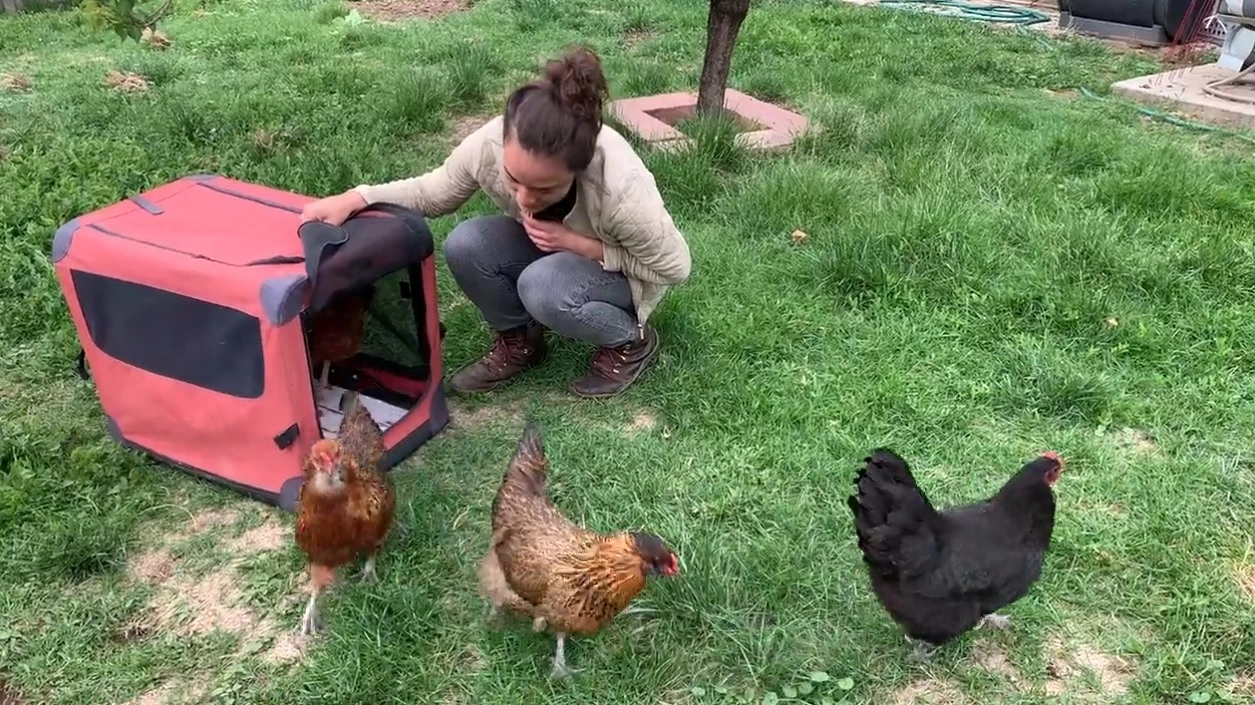
Transport training, while often overlooked, can also make a difference. Chickens unaccustomed to confinement or car rides may panic, but familiarity helps. “Driving in the car is something they’re not familiar with, but it often goes pretty well. It can be soothing,” I noted, comparing it to how infants often fall asleep on car journeys. Music, too, can help calm the flock if the same soundscape becomes part of their routine. Also, you can put a sheet or curtain partially over the crates to make it darker and limit vision.
Water Before Anything Else
When asked whether feeding chickens at certain times during stress would make a difference, the expert’s answer was firm: “I don’t care so much when. What matters is that they start eating sooner rather than later and, more importantly, that they are drinking.”
In crisis situations, water access can make the difference between survival and rapid decline. Chickens may skip a meal, but they cannot go without water. And not just any water: it must be clean, fresh, and supplied in a way that won’t spill or spoil if conditions turn rough.
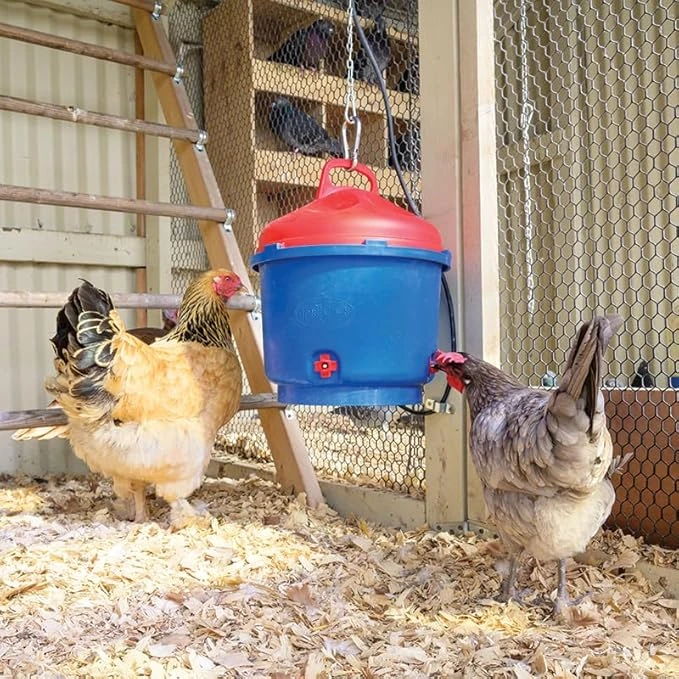
Nipple drinkers are one of the most reliable systems. Unlike open bowls that quickly fill with debris, algae, or bacteria, nipple systems keep water sealed until the bird pecks. “Make sure they’re not easy to knock over,” came the reminder. In the chaos of high winds or ground tremors, a tipped-over container could leave a flock stranded without access to hydration for days. My preferred choice is the heated chicken waterer with nipples below, which keeps the water from freezing in winter. Even if power goes out, it is still better insulated than a regular drinker so it will keep the water from freezing for longer.
Feeding Chickens for Stability in Uncertain Times
Consistency Over Change
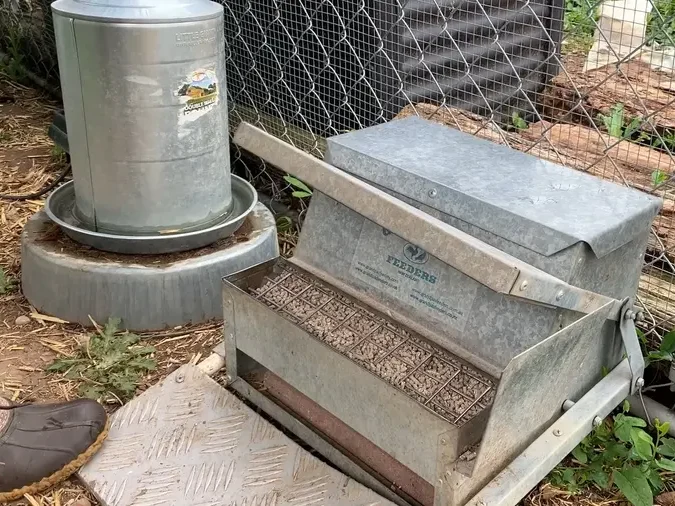
Especially in stressful times, chickens like routine. Feed and feeding should be familiar. Avoid sudden changes, which upset digestion and raise stress. Ad libitum feeding, which means keeping feed available at all times, works well when managed correctly. Treadle feeders are especially useful here. They release small amounts of feed at once, protecting food from spoilage and pests.
The feed itself doesn’t need to change. Stick to what they know. If needed, you can switch from mash to pellets in emergencies, since pellets are easier to eat quickly. Never switch from pellets to mash during stress.
Supplements: Helpful in Theory, Risky in Practice
Supplements such as vitamins, amino acids, or organic acids can be beneficial, but they’re not always practical. When added to drinking water, they can cause bacterial growth within hours. Unless you can refresh water often, plain fresh water is safer than supplement-enriched water.
Feeding for Evacuation vs. Staying Behind
Preparedness extends to feeding, and here they key question is: will you evacuate your chickens, or leave them behind?
For evacuation, practicality rules. Chickens may be kept briefly in crates. You can sprinkle feed through the bars or place it on a cardboard square. When your chickens are moved to a safe roaming area, simple plastic feeders are best. They are lightweight and easy to clean. Give small amounts of feed multiple times a day to keep it fresh, and clean feeders regularly.
For those forced to leave their chickens behind, the advice is different. Automatic feeders, particularly treadle feeders, become invaluable. Designed so that only a chicken’s weight can open them, they prevent opportunistic rodents from stealing feed. Large-capacity gravity feeders also extend the time chickens can survive unattended, buying their keepers precious days in an emergency.
Grandpa’s automatic chicken feeder is one of my favorite feeders, since it is rat-proof due to the treadle your chickens step on.
How Much Feed Is Enough?
Knowing daily feed requirements makes planning far easier. On average, a chicken eats 100–150 grams of feed per day, with the higher end being a safe estimate. A flock of six hens, for instance, needs just under one kilogram of feed daily, or about seven kilograms per week. Having this figure allows backyard keepers to stockpile or pack feed confidently, whether preparing for evacuation or ensuring birds are secure at home.
Environment Matters Too
Feeding doesn’t happen in isolation; conditions around the flock matter. Chickens are naturally forest dwellers, most comfortable at dawn and dusk, wary of bright overhead light that signals predator exposure. Providing shaded or dimly lit spaces during stressful times helps them stay calm enough to keep eating and drinking. During evacuations, this may mean positioning crates in darker areas of a car; in shelters, it might mean covering part of a run with shade cloth. Small adjustments in light and ventilation can make a big difference in keeping birds steady during emergencies.
Integrating Preparedness Education with Poultry Care
Training and Familiarity: Stress Reduction by Design
Perhaps the most important insight from the discussion was the importance of routine. Chickens thrive on patterns. Disruption of routines – whether in feed type, housing, or equipment – increases stress, suppresses immunity, and slows recovery.
That’s why preparedness isn’t just about what you buy, but what you practise. For example, treadle feeders are excellent at keeping food fresh, but they require training. “Don’t start doing it during an emergency,” I warned during the interview. Birds need to learn the motion of stepping on the plate to access feed long before a disaster occurs. In an evacuation shelter, expecting untrained birds to figure it out could mean days without eating.
The same holds for housing. A chicken that is used to free-ranging all day may not adapt well to sudden confinement. Practising short confinement periods, ensuring hens are accustomed to carriers, and even rehearsing loading them into vehicles can reduce stress when real emergencies strike.
Automation and Technology: Useful but Not Foolproof
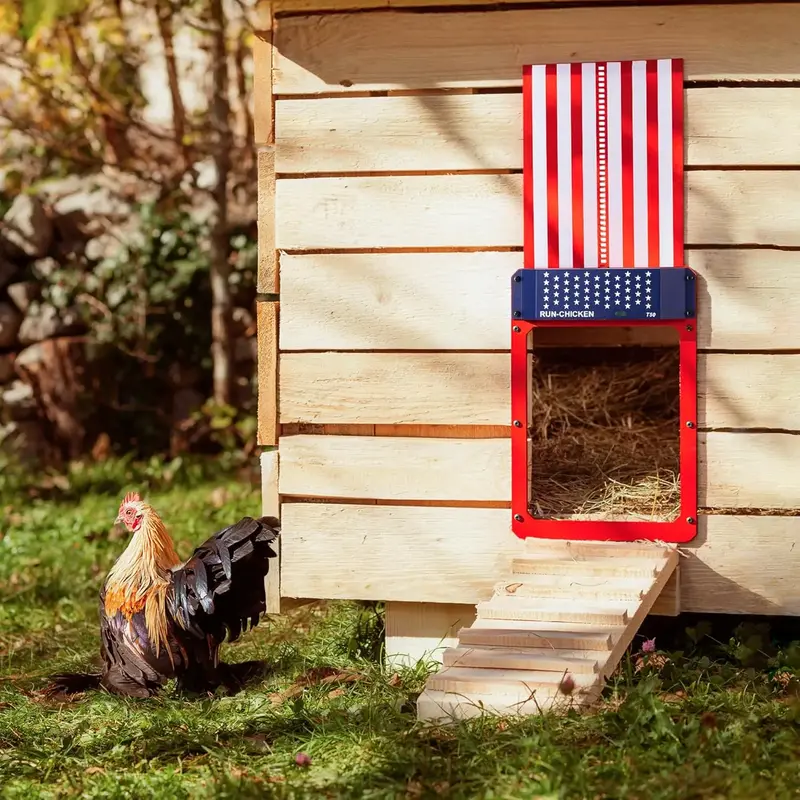
For many modern backyard keepers, automation has become part of daily life. Automatic chicken coop doors, for instance, provide peace of mind by letting birds in and out at set times without human presence. In emergencies, such tools can be invaluable, but only if they are truly independent.
“Check the solar options and check how the opening and closing is arranged,” is my advice. Some so-called solar doors still rely partly on the electrical grid, requiring manual switches when power fails. In a blackout, such systems may be useless. The same applies to smart cameras. These devices can help you keep an eye on your chickens, but not if there is no power.
As was emphasized during the interview, preparedness planning means imagining worst-case scenarios: what happens if there’s no electricity, no internet, no fuel?
Sheltering Beyond the Backyard: The Evacuation Centre Challenge
For medical teams and shelters tasked with accommodating families and their animals, chickens present a unique challenge. They cannot simply be released into a shared space. Pecking orders, flock dynamics, and biosecurity concerns make communal pens risky.
Ideally, each family’s flock should remain together but separate from others in a small wire-mesh enclosure. Wounded or sick birds should have their own isolation areas. While disinfecting between flocks is ideal, in most cases the priority should be on minimising stress and maintaining hydration and feed intake.
Temporary exercise pens, similar to those used for dogs, can also provide families with a chance to give their chickens a break, provided they are covered to prevent escape and sanitised between uses. “Lowering stress is more important than disinfection”, especially for healthy birds. “Water, feed, low stress, and not too many other changes.”
Preparedness as a Family and Community Effort
The conversation closed on a vital reminder: chickens matter, but people come first. “It’s not worth it to save your chickens if you have to jeopardise you or your family,” as said in the interview.
That doesn’t mean dismissing poultry preparedness. Rather, it situates it within a larger framework of family and community resilience. Practising evacuations, checking go bags, and rehearsing shelter routines are all part of building confidence. Communities like the Preparedness Collective host disaster exercises where families can practise loading animals, role-play scenarios, and test their plans in real time.
Preparedness isn’t about achieving perfection; it’s about reducing uncertainty. Even small acts – like opening your go bag, reviewing its contents, or rehearsing coop lockdown – count as real preparedness steps.
Knowledge as a Form of Preparedness
Beyond equipment and feed, knowledge itself is a powerful preparedness tool. That is why resources like Chicken Clucks exist: to make expert insights from large-scale poultry farming accessible to backyard keepers. From predator-proofing designs to lighting strategies for egg production, the goal is to translate technical expertise into everyday practice.
The favorite Chicken Clucks articles of dr Casara Andre are:
- All articles on Raising Chickens for Beginners in the menu under ‘Get Started’
- Emergency Preparedness for Chickens: How to Keep them Safe
- The Ultimate Chicken Lighting Guide For Egg Production
- The 7 Best Automatic Chicken Coop Doors Of 2025
- How To Build Your Predator-Proof Chicken Coop the Right Way
Also, Chicken Clucks offers a free downloadable chicken log for newsletter subscribers, allowing flock owners to track egg production and feed intake. This data, when combined with disaster notes, can serve as a baseline to monitor health impacts after stressful events.
Conclusion: Preparedness Is Practice
Preparedness for backyard chickens is less about extraordinary measures and more about everyday habits: fresh water, consistent feed, stable routines, and rehearsed responses. Most importantly, preparedness is not a checklist to complete once. It is an ongoing practice; at home, within families, and across communities. As said in the interview: “I think the only way to really prepare is to actually do it, and to test it. Otherwise you can think you’re ready, but you’re actually probably not.”
For backyard chicken keepers, resilience begins with the flock but extends far beyond it. In preparing to safeguard their hens, families also build the skills, habits, and networks that will help them weather whatever storms may come.