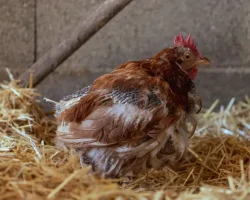
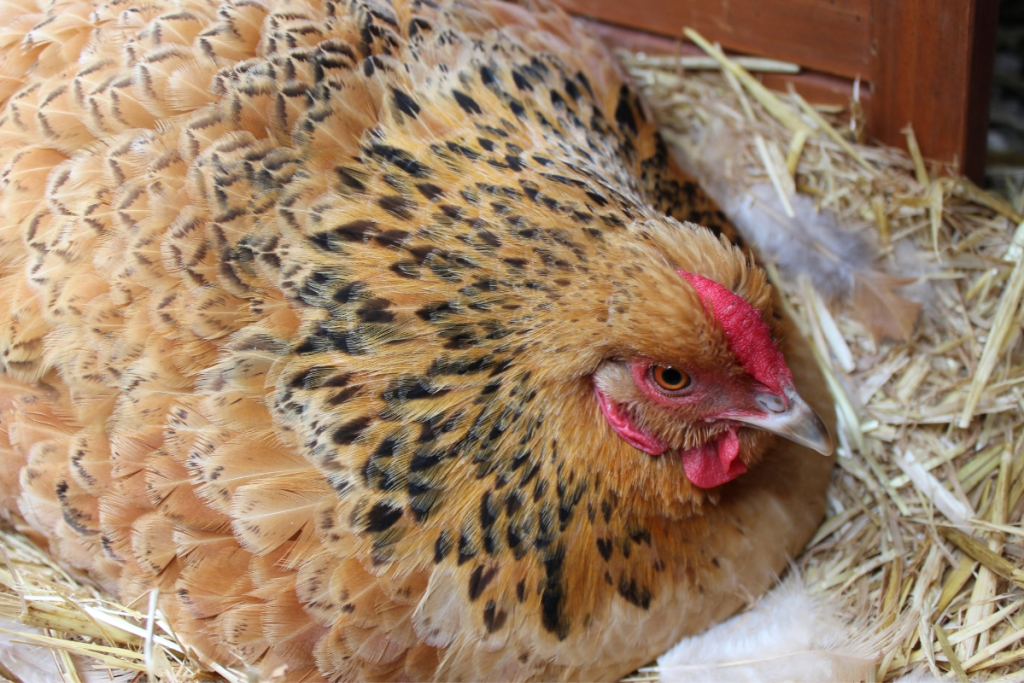
Broodiness is natural, but not always a good thing for chicken keepers. It is intense for chickens, so keepers must know what to do if unwanted cases occur! In this guide, I’ll explain what broodiness is, the pros and cons, chicken breeds more prone to broodiness, and how to prevent and stop broodiness if you don’t want it to happen.
In your eyes, broody hens may be a good thing because you own a rooster and want to hatch chicks. In this case, skip this article and read more about how to take care of a broody hen.
What is Broodiness in Chickens?
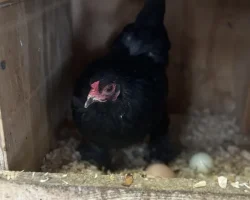
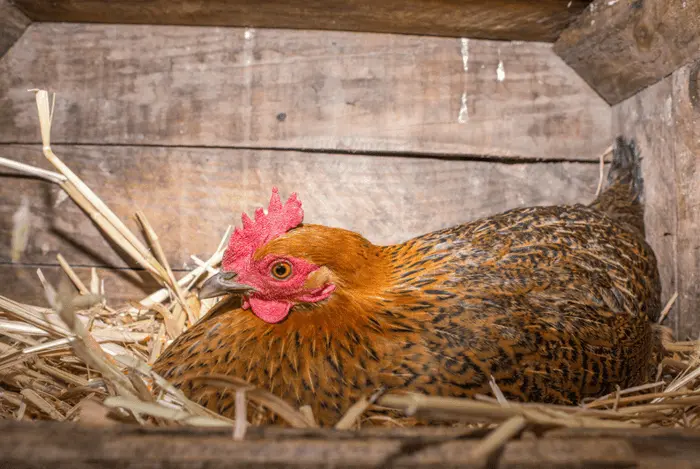
Broodiness in chickens is a natural occurrence in egg-laying hens. The broody chicken undergoes a hormonal change and stops laying new eggs. Instead, she sits on the eggs she has already laid and attempts to incubate them. Most broody hens will remain in this state for about three weeks, but it can vary. Fertilized eggs should hatch after around 21 days if everything goes right. The hens may become broody several times in a year.
The Pros and Cons of a Broody Chicken
Broodiness is great if you want your hens to hatch chicks and add to your backyard flock. In this case, you should do everything to ensure that your broody birds are eating properly and getting the care they need. However, we don’t always want our chickens to become broody. Sometimes it can happen even if we don’t have roosters to fertilize the eggs. Then the broody hen is essentially sitting on eggs with no hope of hatching them. This is problematic because the hen is still experiencing the hormonal changes that come with broodiness. She will also have to endure the same intense physical demands that this natural condition places on her body.
Broodiness uses massive amounts of energy because the hen is generating heat to incubate her eggs. Meanwhile, she can become very unhealthy. Broody hens may only leave their nest to eat and defecate once or twice per day. In rare cases, some may not even do this so hobbyists must physically remove to ensure they’re eating and pooping! It’s common for broody hens to suffer nutritional deficiencies, including a lack of calcium, as well as generally losing weight and enduring dehydration. This isn’t ideal for their health, so it’s better to prevent unwanted broodiness from happening.
Finally, a broody hen may influence her fellow chickens in the coop. Studies reveal that it’s common for hens to fall broody at the same time. They may all have elevated levels of prolactin, which is the hormone that causes broodiness. Another downside of this is that they may start fighting over nests, so it’s better to nip unwanted broodiness in the bud!
Which Chicken Breeds Are Most Prone To Broodiness?
Some chicken breeds are more prone to broodiness than others. If you don’t want to go through the process of breaking broodiness, it’s better to avoid these varieties. As a general rule, fluffy and heavy chickens tend to be the most broody. Let’s look at some of these now.
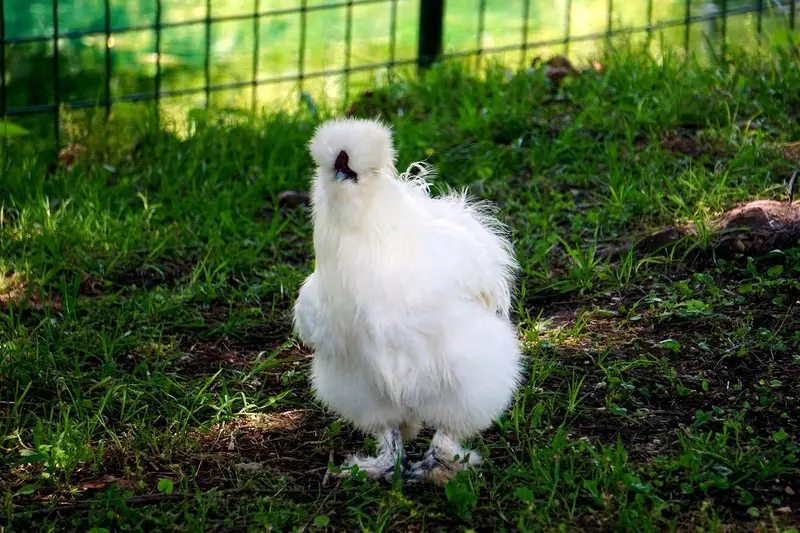
Silkies
Silkies are lovely chickens, but they’re notoriously broody. They have an adorable appearance with their fluffy plumage, so it’s easy to see why hobbyists love them. But they have a very strong maternal instinct and are amongst the broodiest birds. Some owners even report their Silkies incubating and hatching other eggs from different chicken breeds!
Sussex
Sussex chickens are a classic hen breed. They’re excellent layers, but they are also prone to broodiness, especially in warmer weather. The Speckled Sussex is the most notorious for this. They’re a better option for hobbyists living in milder climates if you don’t want to deal with broodiness.
Brahma
The Brahma is another wonderful chicken breed, but not the best option if you’re just looking for morning eggs for breakfast. Again, they’re wonderful mothers, so a fantastic choice for hobbyists who want to raise chicks. However, they’re not suitable for everybody’s needs. Cochins and Buff Orpingtons have similar characteristics to Brahmans, so perhaps avoid them too if you don’t want broody chickens!
Which Chicken Breeds Are Least Prone To Broodiness?
Let’s look at the other side of the spectrum. These breeds are less prone to broodiness but are great egg-layers! You’ll notice most of these are lighter breeds.
Rhode Island Red
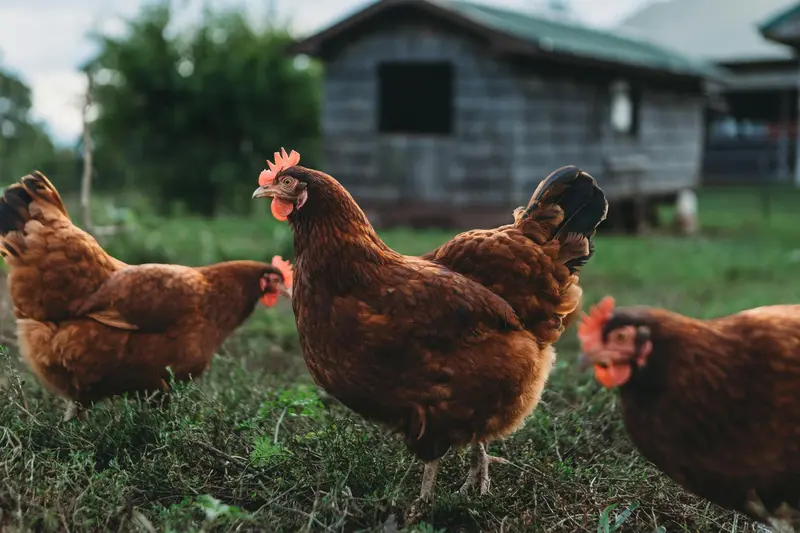
Rhode Island Reds are one of the most popular backyard chickens. They’re excellent egg layers with great quality eggs and don’t fall broody as often as some other varieties. It can happen, but nowhere near as often as with Silkies or Sussex hens. As one of the most common breeds, Rhode Island Reds are a great option.
Leghorn
Originally hailing from Italy, Leghorns are rarely broody. However, they’re outstanding egg layers, so they’re a great backyard option for hobbyists. Generally, Mediterranean chickens like Leghorns and Anconas tend to be less broody than other varieties, so we highly recommend them if you’re hoping to avoid broodiness.
Hamburg
There are many advantages to keeping Hamburg hens. These birds are sturdy and hardy, so they’re suitable for cooler climates. They’re also prolific egg layers and rarely suffer from unwanted broodiness. These bespeckled chickens also have an interesting plumage, so they’ll add a striking aesthetic to your backyard menagerie!
How To Prevent Broodiness in Chickens
Prevention is always better than trying to break a broody hen. Here are a couple of preemptive steps that I find can be very effective in stopping chickens from becoming broody.
Remove Eggs
One of the simplest ways to prevent broodiness in chickens is to remove their eggs. Most people will do this in the morning anyway. Don’t give your hens time to sit on them, so there’s less chance of triggering her maternal instincts. Remember, these are unfertilized eggs, so you’re not doing anything unethical by taking them away. Exercise caution if your bird is already broody because she may attempt to peck you! A good pair of gloves will solve the problem.

Rollout Layer Nesting Boxes
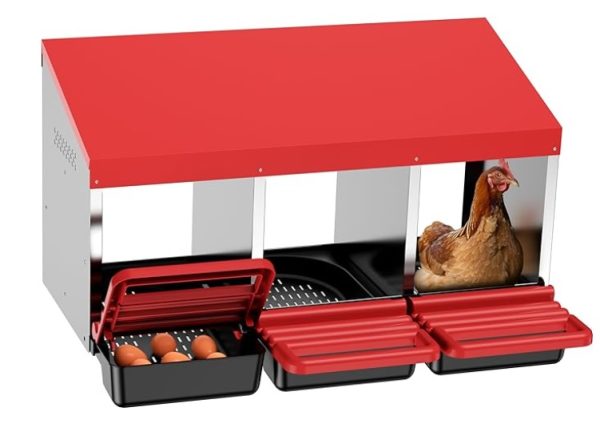
An even more efficient way of quickly removing chicken eggs is to use a roll-out layer nesting box. These provide a safe and clean compartment for your hens to lay their eggs. Then their simple egg collection system allows the egg to gently roll into a tray for you to gather the next morning. I highly recommend getting one of these boxes if you have your heart set on breeds like Silkies or Sussex hens. Sometimes broody hens will sit on another chicken’s eggs, so this will remove that risk!
Temporarily block access to the nesting boxes
I know it is a bit of extra work, but closing the nesting boxes after all chickens have laid their eggs works really well to prevent broodiness. This measure is often used by professional poultry farms. For the chicken keeper who loves convenience, there are even machines available with a timer to open and close your nesting box automatically, such as the AutoRoost.
Another option is to light the nesting boxes after all hens have laid their eggs. Simply install a light in or close to the nesting boxes.
Free-Range Birds
Another great way to reduce the risk of unwanted broodiness is to allow your birds to wander outside during the day. Not everybody has this capacity, but if you can, there are many advantages. First, the birds are less likely to sit and nest on their unfertilized eggs. Another benefit is that free-range eggs are usually of a higher quality because the chickens have a more varied diet. It’s a win-win for you and your birds!
Breaking a Broody Hen
Sometimes it may be necessary to break a broody hen. This may sound extreme, but trust me, it’s not a big deal! In short, we’re trying to counteract her hormonal changes and get her to settle. There are a few painless steps we can take that will help her get back to normal.
Put Her Outside
One of the first steps you should take is to prevent your broody hen from nesting. The easiest way to do this is to move her outside and block access to her preferred nest. It may take a couple of days, but she should quickly readjust. Remember, broody chickens often won’t leave their nest to defecate or eat, so it can be very unhealthy. This may be slightly stressful for the chicken, but it’s much better in the long term.
Broody Breaker Cage
These special cages have extra ventilation to help cool broody chickens. The exposure to cool air and extra light will help to counteract their hormonal responses. This is a great option for hobbyists who can’t allow their hens to free-range. Remember not to put straw in the broody breaker cage because we don’t want the affected bird to start nesting! A wire base is the best choice because this stops them from regular nesting. The only negative is that broody breaker cages aren’t suitable for winter use in colder climates. Always keep your birds in a safe winter coop so they stay healthy!
Extra Light
Broody birds crave dark environments, so extra light is one of the most effective ways to break broodiness. Expose your broody bird to 12 hours of light per day to stimulate egg production. Don’t forget that a broody hen wants to sit on what they believes to be a fertilized egg. They’re not looking to lay more eggs. Ideally, you want to stimulate your chickens to lay more eggs. 60 to 100-watt bulbs are the best options for this job!
Final Thoughts
When it comes to broodiness, prevention is better than the cure! Many inexperienced hobbyists may feel uncomfortable with the idea of breaking broodiness in chickens. I understand that it may not seem like a nice way to treat your bird. However, it’s much healthier and safer for your hens than to allow them to go through broodiness with no results. Nobody wants their chickens to suffer from malnutrition, dehydration, or reproductive conditions. A little bit of mild discomfort is far better than a medical emergency! Unwanted broodiness can have life-changing consequences for your chickens, so it’s crucial to take it seriously and prevent it when possible.