In hot weather, water is the single most important thing you can give your flock. Chickens cannot sweat, so they rely on drinking and panting to stay cool. A hen can double or triple her water intake on a hot day — and dehydration can turn fatal within hours.
How to keep chickens hydrated in hot weather:
Provide constant access to cool, clean water in multiple shaded spots. Add ice or frozen bottles to keep it cool. Offer electrolytes during heatwaves, provide deep shade and airflow, serve frozen treats, and collect eggs early. Watch for panting, pale combs, and lethargy — the signs of heat stress.
Early in my career as a poultry specialist, I saw how quickly heat stress can become fatal. At a professional poultry farm, a power shortage caused the ventilation fans to fail in a closed-house chicken barn during hot weather. These houses rely on tunnel ventilation, with only small windows, so when the fans stopped, outside heat combined with the body heat of thousands of chickens caused temperatures to rise rapidly. Within just eight hours, around 20% of the flock was lost.
That experience taught me that heat management is ultimately about survival. Reliable ventilation, backup plans, and constant access to water are critical when temperatures climb. Backyard chickens that roam outside do not need a commercial ventilation system, but good airflow and shade will still be appreciated by your hens and can help them stay comfortable during hot weather. Here is everything I recommend to prevent heat stress in poultry and keep your flock hydrated and safe when temperatures rise.
How much water do chickens need in Hot weather?
Under normal conditions, a standard laying hen eats about 4.5 ounces of feed and drinks around 9 fluid ounces of water per day (about 1 cup or 0.25 liters). As a general rule, a hen’s water intake is roughly double its feed intake.
In summer or during extreme heatwaves, this ratio spikes dramatically. A hen can easily drink two to three times her usual amount.
The Golden Rule for Summer: For a small flock of six hens on a hot day, plan for at least 1.5 gallons (about 6 liters) of fresh water to be available at all times, and plan to check and refill it multiple times throughout the day.
Know the signs of heat stress
Spotting heat stress early lets you act before it becomes an emergency. Watch your flock closely for these key indicators:
- Panting: Breathing rapidly with an open beak (see video above; this is their primary cooling mechanism).
- Wing Spreading: Holding wings away from the body to let trapped heat escape.
- Pale, Floppy Combs: Pale or bluish combs and wattles are caused by slowed circulation and dehydration.
- Lethargy: Standing still for long periods, lying flat in the shade, or showing a reluctance to move.
- Appetite Shift: A drastic drop in feed intake coupled with a massive increase in water consumption.
- Lower egg production: A decrease in egg production and/or more soft-shelled eggs
A hen that is staggering, having seizures, or unresponsive is in immediate danger. Move her to a cool, shaded area immediately. Cool her down by dipping her feet and legs in cool (not ice-cold) water.
Why cool and not icy? Cold water can shock her system, causing her blood vessels to constrict too quickly, which actually traps heat inside her body. Once stabilized, contact a veterinarian.
7 ways to keep your flock hydrated and cool
For a full breakdown of environmental and coop cooling setups, read our complete guide on how to keep chickens cool during summer.
1. Provide multiple water sources in the shade
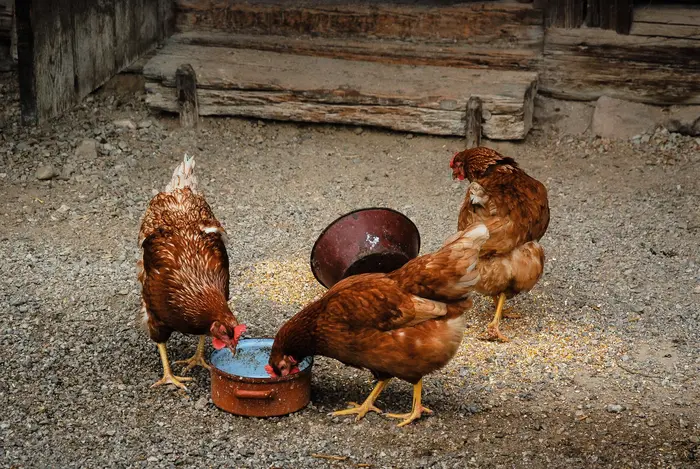
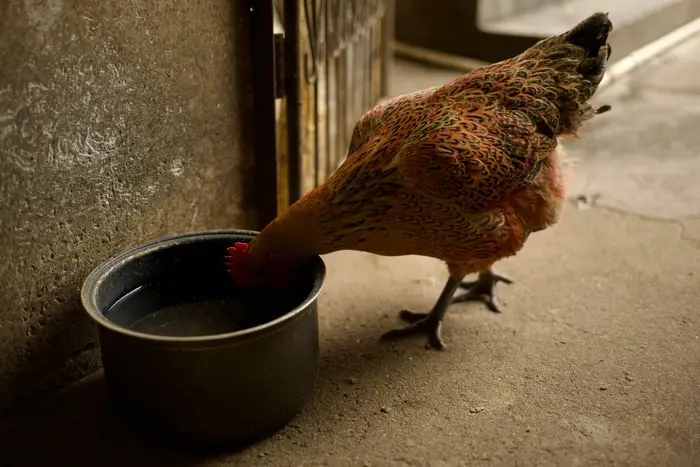
Never rely on a single waterer. Place two or three around the run and free-range area, all in deep shade. Multiple sources prevent a dominant hen from blocking access and mean water stays available if one is knocked over.
2. Keep the water cool
Chickens dislike warm water and will actually refuse to drink it, even if they are severely dehydrated. Keep their water appealing by adding large ice cubes or dropping floating, frozen plastic water bottles into the reservoir to melt slowly. Refresh the water at least twice daily—warm, stagnant water in the sun is ignored by hens and quickly breeds harmful algae.
Waterer Material Matters: Plastic vs. Metal
Your choice of container directly affects how fast water turns dangerously hot. Avoid traditional galvanized metal waterers in summer; they act as rapid heat conductors and can get hot enough to burn a hen’s beak. Thin, dark plastic is also poor, as it offers zero insulation.
- Insulation is King: Always choose thick-walled, insulated waterers. They act like coolers, keeping ice from melting for hours. It sounds contradictory, but heated chicken waterers are often the best choice, since they are very well insulated. Heated chicken waterers are the best of both worlds and can be used year-round: unplug them in summer, and plug them in during winter to make sure the water doesn’t freeze.
- Deep Shade Only: Never let waterers sit in direct sunlight. Keep them in the deepest shade of your run, ideally resting directly on cool, damp dirt.
- The Ultimate Fix (Automatic Drinkers): Hooking nipple, cup, or bell drinkers directly to a pressurized water line is highly effective. Because the water isn’t sitting in an above-ground storage tank or waterer absorbing heat, it flows fresh and cool straight from underground pipes every time a chicken takes a sip.
3. Add electrolytes during heatwaves
When temperatures spike, chickens pant rapidly to cool down, which leads to water loss. Also, chickens drastically cut back on their feed intake when it is hot; they aren’t consuming their usual daily nutrients. Meanwhile, they continue to lose vital minerals naturally through their manure. This combination of low nutrient intake and ongoing excretion rapidly depletes their internal mineral reserves, which can lead to faster dehydration. Adding electrolytes to their water helps replenish these lost minerals and encourages faster rehydration.
While commercial chicken electrolytes are great for stress situations year-round, you can easily whip up a highly effective emergency batch specifically for heat stress (and dehydration) at home:
Homemade Electrolyte Drink for Poultry
Mix the following ingredients thoroughly into 1 gallon of clean water until dissolved:
- 1 teaspoon baking soda
- 1 teaspoon salt (non-iodized is best)
- 1 tablespoon sugar or honey
Note: Always offer a separate container of plain, fresh water alongside the electrolyte mix so your hens can choose what their bodies need.
4. Serve frozen and water-rich treats
Treats like frozen berries, cold cucumber, and leafy greens provide an excellent boost to daily hydration and give hens something cooling to peck. However, if you want the absolute ultimate summer treat, watermelon is my #1 pick on hot days.
Watermelon is 92% water, meaning it packs a massive hydrating punch while giving your hens a sweet, refreshing snack they absolutely love. To make this treat go even further on scorching days, try cutting watermelon slices or other fruits into chunks and freezing them inside a large block of ice. This gives the hens a cooling, interactive challenge to peck at throughout the hottest part of the afternoon.
💡 Want the full list? Check out my complete guide to the best chicken treats to find out what else your flock will love!
Just remember to keep all treats limited to about 10% of their total daily diet.
5. Maximise shade and airflow
Even the best hydration strategies will fail if your birds are trapped in stagnant air. Ensure your run has deep, active shade. If there is no natural breeze, set up a fan near the run to keep the air moving, lowering the ambient temperature and making it easier for the birds to cool down.
6. Wet the ground and provide a dust bath in shade
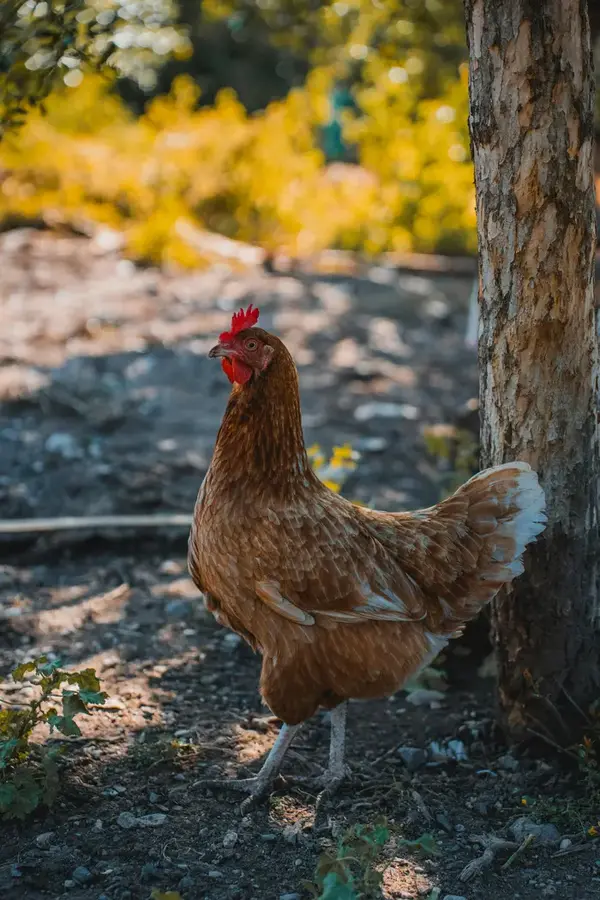
Hose down a patch of dirt in a shaded corner of the run. Chickens will happily scrape away the warm topsoil to lie flat on the cool, damp earth underneath, transferring their body heat directly into the ground. A shaded, dry dust-bathing area serves a similar cooling purpose.
7. Collect eggs early and limit handling
To minimize stress on your laying hens, collect eggs early in the morning so they aren’t sitting in hot nesting boxes. Avoid handling, chasing, or moving your birds during the hottest afternoon hours. Save any heavy coop chores or flock inspections for the cooler early morning or late evening.
Troubleshooting: my hens are not drinking enough
If your chickens aren’t visiting their waterers, check for these common issues:
- The water is too warm: Move the waterers to deeper shade or drop in fresh ice blocks.
- The water is dirty: Algae, dirt, and droppings build up quickly in the summer. Clean and scrub waterers daily.
- Social bullying: Aggressive flock dynamics can prevent submissive birds from reaching the water. Disperse extra waterers around the yard.
- Crop issues: Heat-stressed chickens that drink large volumes of water can sometimes develop “sour crop” (a yeast infection in the crop) or an impacted crop. If a hen seems lethargic with a squishy, fluid-filled chest, inspect her for crop issues immediately.
Frequently asked questions
At what temperature do chickens start to struggle with Hot Weather?
Most chickens are comfortable up to around 75°F (24°C). Above 85°F (29°C) they begin to show heat stress, and above 95°F (35°C) the risk becomes serious — especially for heavy breeds and birds in humid conditions.
Should I give my chickens electrolytes every day in summer?
No. Electrolytes should be reserved for genuine heatwaves or when birds are actively showing signs of heat stress. Always provide a source of plain water alongside the electrolyte water, as overusing supplements can disrupt their internal mineral balance.
Can chickens drink too much water?
Practically speaking, no. Chickens are excellent at self-regulating, and free-choice cool water is entirely safe. The actual danger is always too little water, never too much.
Do frozen treats really help chickens stay cool?
Yes, but only as a minor supplement. While frozen watermelon or ice blocks hydrate and occupy your hens, they are a fun bonus—not a replacement for constant shade, steady airflow, and cool drinking water.
How do I keep water cool all day without ice?
If you can’t access ice, place your waterers in the deepest, most insulated shade available (such as under low bushes). Using thick, light-colored plastic or double-walled metal waterers helps reflect ambient heat, and resting the containers directly on cool, damp dirt will keep them cooler than if they are placed on hot wood or concrete.