The best egg-laying chicken breeds combine high production, a calm temperament, and hardiness — and the top performers lay 250 to 320 eggs a year. This guide ranks the 12 best layers, from record-breaking hybrids to breeds that lay stunning blue and dark-chocolate eggs.
What are the best egg-laying chicken breeds?
For sheer numbers: ISA Brown and Leghorn (up to 320 eggs/year). For a balance of eggs and friendliness: Australorp, Rhode Island Red, Plymouth Rock, and Sussex. For beautiful eggs: Easter Egger (blue/green), Marans and Welsummer (dark brown), and Ameraucana (blue). Choose based on your climate, temperament preference, and egg colour.
When people ask me which chickens to get for eggs, my answer is always: it depends what you value. Maximum eggs? Friendliness for the kids? A rainbow egg basket? Cold-hardiness? After more than a decade keeping and advising on flocks, these are the 12 breeds I recommend again and again — and I have kept most of them myself. I have ranked them with production first, but every breed here earns its place.
Once you’ve decided on the perfect breed for your backyard, the real fun begins! To help you prepare for their arrival, check out the University of Maryland’s guide on raising a home chicken flock to make sure you have your coop, feed, and brooder ready to go.
How I ranked these breeds
Every breed on this list was judged on four things that matter to a backyard keeper:
- Egg production — annual output, and how consistently they lay through the year
- Temperament — calm, friendly birds are easier and safer, especially with children
- Hardiness — how well they cope with heat, cold, and beginner mistakes
- Bonus qualities — egg colour, foraging ability, broodiness, and dual-purpose value
Also, see our guide to how to select the best chicken breed in general. If you like a second opinion, see selecting a chicken breed for small or backyard poultry flocks.
The 12 best egg-laying breeds at a glance
| Breed | Type | Hen Weight | Eggs/Year | Egg Weight | Egg Shell Color | Temperament | |
| 1 | ISA Brown | Hybrid | 4,5-5 lbs (2-2,3 kg) | 300–320 | 2,1-2,3 oz (60-65 g) | Brown | Very friendly |
| 2 | Leghorn | Purebred | 4,5 lbs (2 kg) | 280–320 | 1,9-2,1 oz (55-60 g) | White | Active, flightly |
| 3 | Rhode Island Red | Purebred | 6,5 lbs (3 kg) | 250–300 | 2,1-2,3 oz (60-65 g) | Brown | Hardy, bold |
| 4 | Australorp | Purebred | 6,5 lbs (3 kg) | 250-300 | 2,0-2,2 oz (57-62 g) | Brown | Calm, gentle |
| 5 | Plymouth Rock | Purebred | 6,6–7,5 lbs (3,0–3,4 kg) | 200–280 | 2,0 oz (57 g) | Brown | Friendly, docile |
| 6 | Sussex | Purebred | 7 lbs (3,2 kg) | 250-280 | 2,1-2,3 oz (60-65 g) | Cream/brown | Curious, calm |
| 7 | Wyandotte | Purebred | 6-6,5 lbs (2,7-3 kg) | 200-240 | 2,1 oz (60 g) | Brown | Calm, cold-hardy |
| 8 | Easter Egger | Hybrid | 4-5 lbs (1,8-2,3 kg) | 200–280 | 1,9-2,1 oz (55-60 g) | Blue, green, or pink | Friendly |
| 9 | Ameraucana | Purebred | 5,5 lbs (2,5 kg) | 200-250 | 2,0 oz (57 g) | Blue | Docile |
| 10 | Marans | Purebred | 6,5 lbs (3 kg) | 150-200 | 2,3-2,5 oz (65-70 g) | Dark chocolate | Calm |
| 11 | Welsummer | Purebred | 6 lbs (2,7 kg) | 160-250 | 2,3 oz (65 g) | Dark speckled | Friendly forager |
| 12 | Orpington | Purebred | 7–8 lbs (3,2–3,6 kg) | 180–200 | 2,1 (60) | Brown | Very gentle |
1. ISA Brown — the production champion
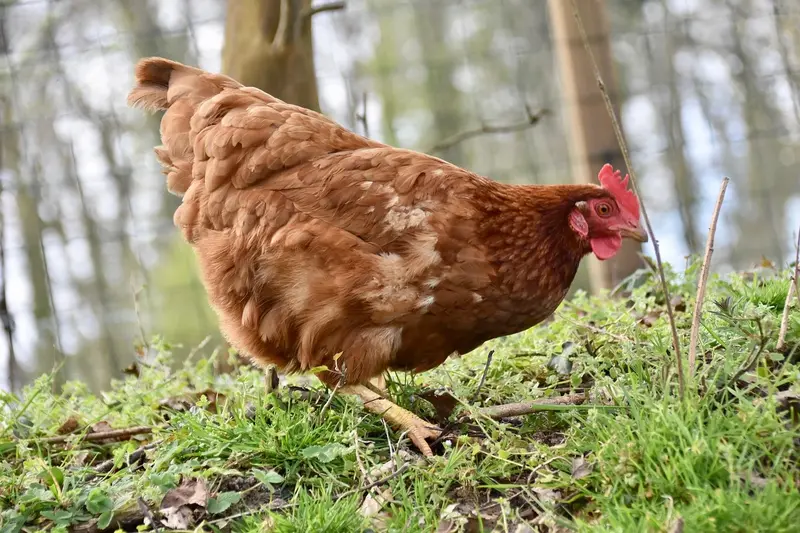
The ISA Brown is a medium-sized brown hybrid chicken breed and the most productive backyard layer you can buy — up to 320 eggs a year, laying steadily even through moulting season. The color of their eggs is brown, but if you prefer white chickens and egg shells, you can also opt for the ISA White. Hybrids are stronger, mature faster and convert feed more efficiently than purebreds. They are exceptionally friendly, light enough to handle easily, and inexpensive. Similar hybrids include the Hyline Brown, Lohmann Brown, Bovans Brown, and Golden Comet.
My take: The best all-round choice for maximum eggs with minimum fuss. The one caveat — that intense production takes a toll, and egg production will decrease as they age. Treat them well and they still live 5–8 years as pets.
- Pros: highest production, friendly, cheap, cold-tolerant.
- Cons: shorter productive lifespan than purebreds.
2. Leghorn — the white-egg machine
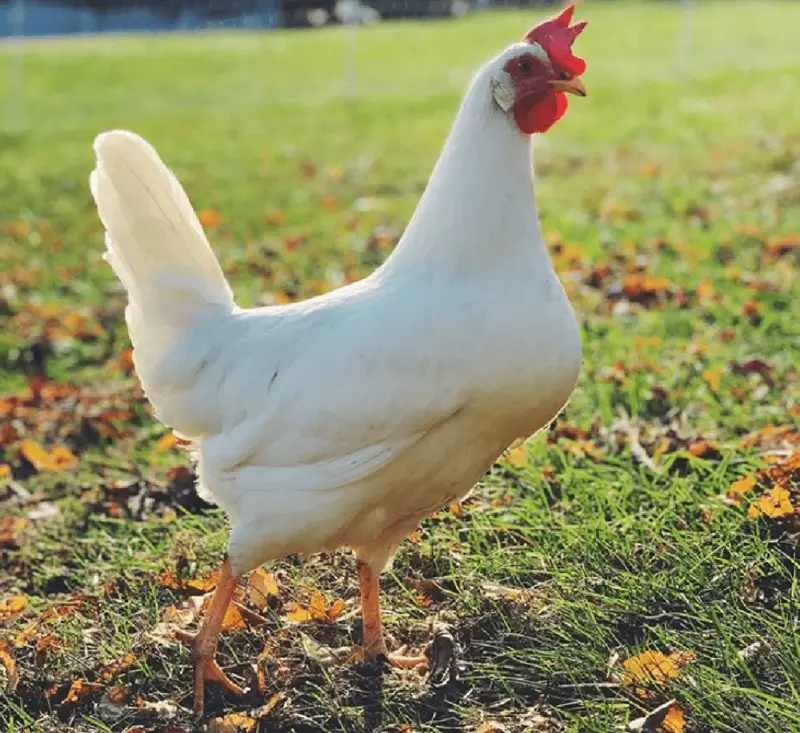
The Leghorn is the classic commercial white-egg layer, producing up to 320 large white eggs a year. They rarely go broody, which is ideal if you want eggs rather than chicks. They are heat-tolerant and superb foragers, so they partly feed themselves on free range.
My take: Unbeatable for white eggs and efficiency, but they are active, flighty, and not lap chickens. Great for a keeper who prioritises eggs over cuddles and has a secure run — they can fly well.
- Pros: prolific, heat-hardy, efficient forager, rarely broody.
- Cons: flighty, noisy, not a cuddler.
3. Rhode Island Red
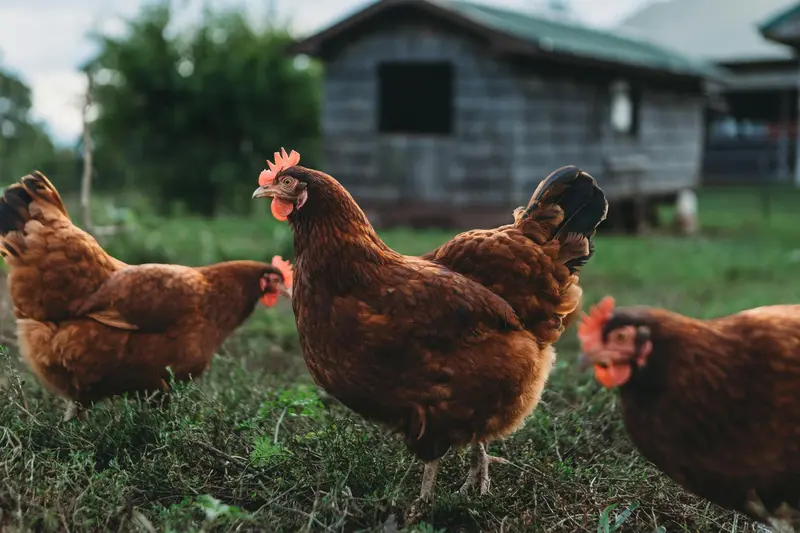
A backyard staple for good reason: 250–300 brown eggs a year, tremendous hardiness, and a bold, confident personality. Rhode Island Reds tolerate cold and heat, forage well, and keep laying through conditions that slow other breeds.
My take: If I could only recommend one purebred to a beginner, this is it — tough, productive, and forgiving of mistakes. Roosters can be assertive; hens are generally steady.
- Pros: hardy, reliable layer, forgiving for beginners.
- Cons: can be bossy in a mixed flock.
4. Australorp
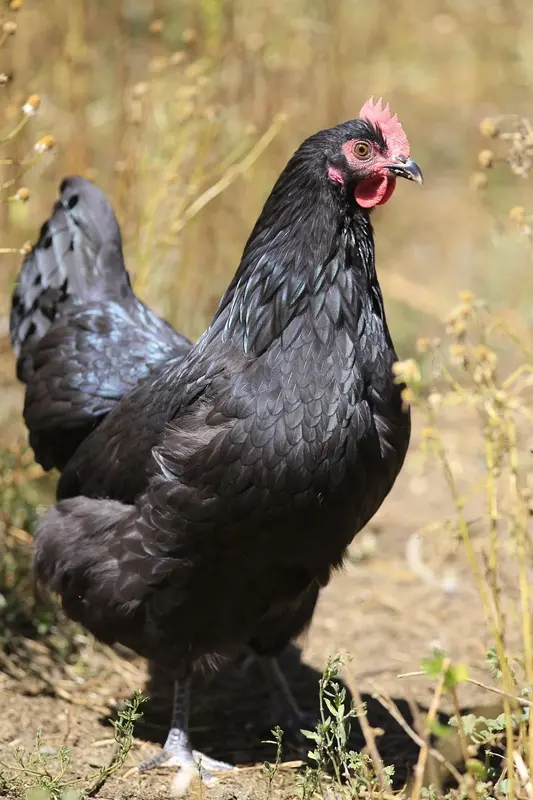
The Australorp holds the world record for egg-laying (364 eggs in 365 days) yet is one of the calmest, gentlest breeds you can keep. Expect 250–300 brown eggs a year in a backyard setting. Their glossy black plumage has a beautiful green sheen. They are a bit heavier (6,5 lbs) than other breeds like the ISA Brown and Leghorn (4,5 lbs).
My take: My top pick for families — they combine near-top production with a genuinely sweet, docile nature. Excellent with children and easy to handle.
- Pros: high production, wonderfully calm, cold-hardy, family-friendly.
- Cons: dark feathers can feel the heat in extreme summer.
5. Plymouth Rock
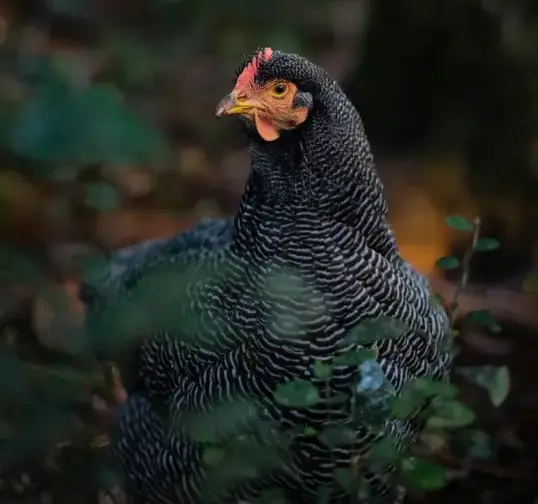
The barred Plymouth Rock is a handsome, large (7,5 pounds ♀ and 9.5 pounds ♂), docile dual-purpose breed laying 200–280 brown eggs a year. Hardy, friendly, and content in confinement or on range, they are a long-standing favourite for good reason.
My take: A brilliant beginner bird — calm, curious, and productive. They often become the friendliest hens in the flock and tolerate handling well.
- Pros: friendly, hardy, good layer, dual-purpose.
- Cons: can go broody occasionally.
6. Sussex — the curious garden companion
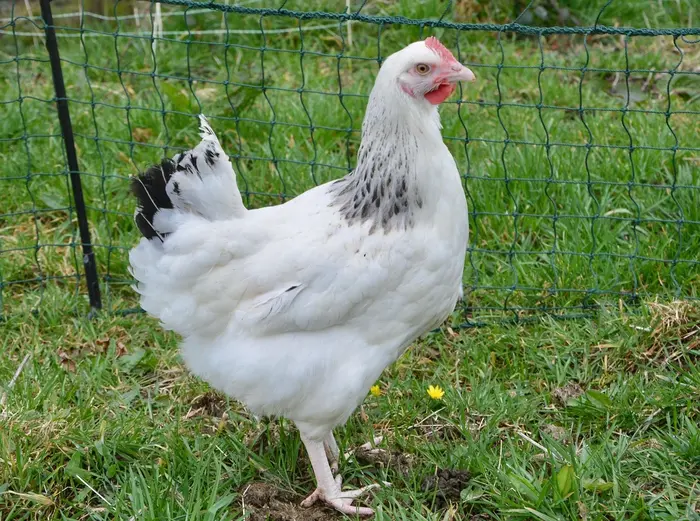
The Sussex breed has a Light (above) and Speckled (below) variety and lays 250–280 cream-to-light-brown eggs a year. It is one of the most inquisitive and personable chicken breeds around. Hardy in cold and content foraging, they are a joy in a backyard.
My take: A wonderful all-rounder that combines strong laying with real personality. They will follow you around the garden. Some go broody, which is a plus if you ever want a natural mother.
- Pros: strong layer, friendly, hardy, good forager.
- Cons: prone to broodiness.
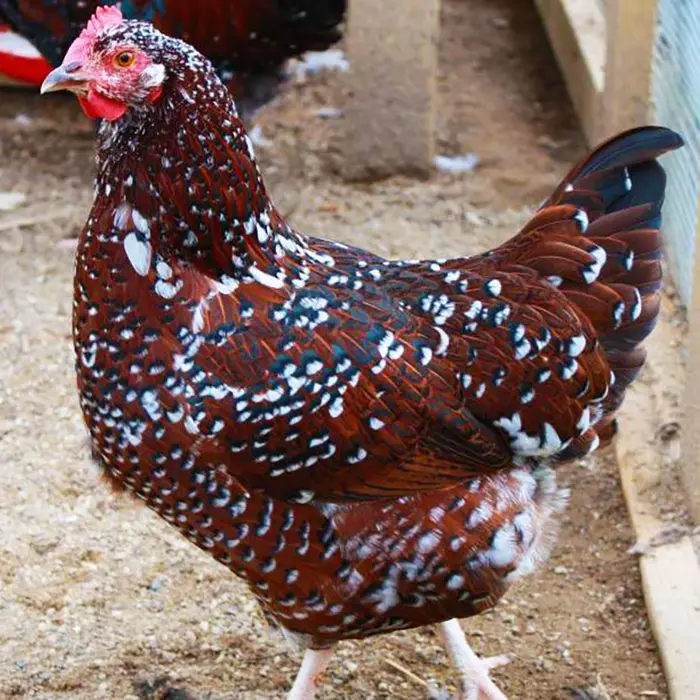
7. Wyandotte — the cold-climate beauty
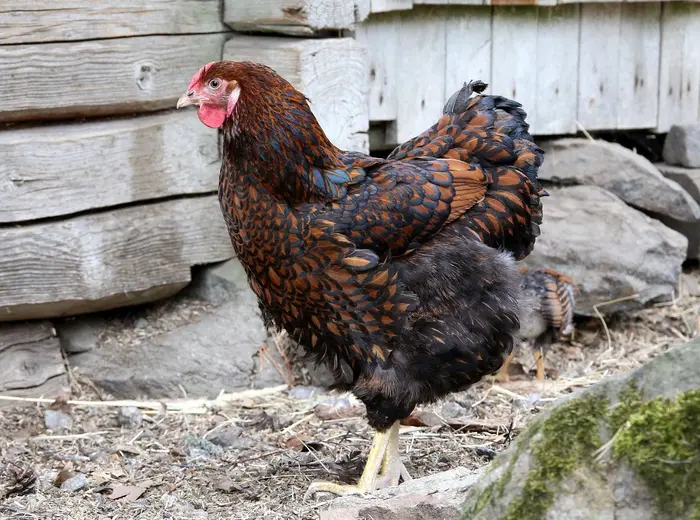
The Wyandotte lays 200–240 brown eggs a year and is exceptionally cold-hardy thanks to its dense plumage and small rose comb (which resists frostbite). Available in stunning laced colour patterns, they are calm and steady.
My take: The breed I recommend for cold climates. They lay right through winter better than most and are beautiful, self-possessed birds. Not the highest producer, but reliable and tough.
- Pros: outstanding cold-hardiness, calm, attractive, winter laying.
- Cons: moderate (not top) production.
8. Easter Egger

Easter Eggers are friendly hybrids that lay 200–280 eggs a year in blue, green, or even pink — a different colour from each hen, but consistent for that bird. Hardy, docile, and endlessly popular with children for the surprise egg basket.
My take: The single best breed for fun and family engagement. Kids adore collecting coloured eggs. Production is solid and they are tough, easy birds. Note: an Easter Egger is a mix, not a true breed.
- Pros: colourful eggs, friendly, hardy, good production.
- Cons: egg colour varies bird to bird; not a standardised breed.
9. Ameraucana — the true blue-egg breed
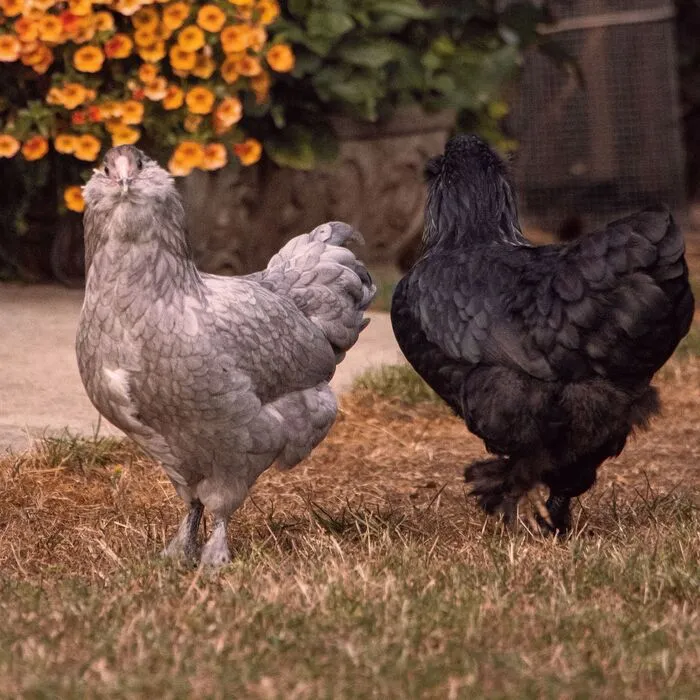
The Ameraucana is a standardised purebred that lays 200–250 genuinely blue eggs a year and comes in many colors. Docile and cold-hardy with a distinctive muff-and-beard look, they are the breed to choose if you specifically want reliable blue eggs from a recognised breed rather than a mix.
My take: For blue eggs with breed consistency, the Ameraucana beats the Easter Egger. Slightly lower production, but every egg is that beautiful sky blue. Calm and pleasant to keep.
- Pros: true blue eggs, docile, cold-hardy, standardised breed.
- Cons: moderate production; genuine stock can be pricier.
10. Marans — the chocolate-egg layer
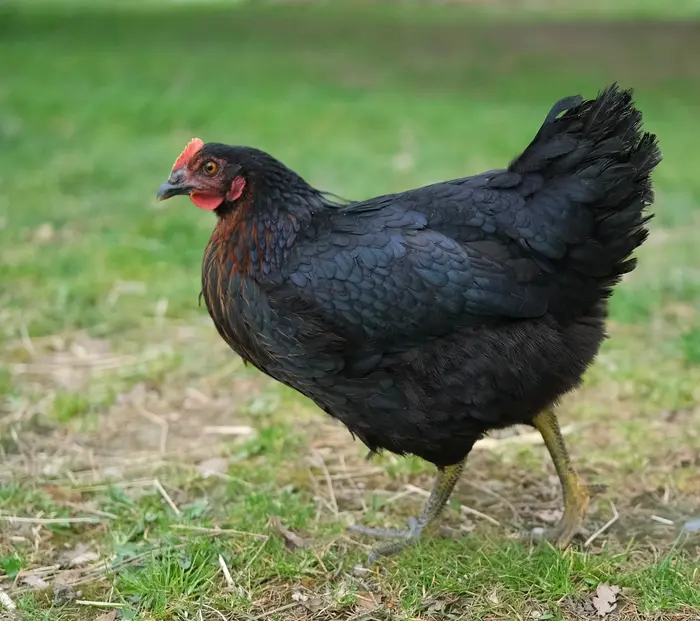
The Marans lays 150–200 of the darkest, most beautiful chocolate-brown eggs of any breed. French in origin, they are calm, hardy, and quiet. Production is lower than the hybrids, but no egg in the basket turns heads like a Marans egg.
My take: A specialty layer you keep for the sheer beauty of the eggs. Pair a couple of Marans with high-production breeds to get both numbers and those showpiece dark eggs. Calm and undemanding.
- Pros: gorgeous dark eggs, calm, quiet, hardy.
- Cons: lower production; egg colour fades slightly through the laying cycle.
11. Welsummer — the speckled-egg forager
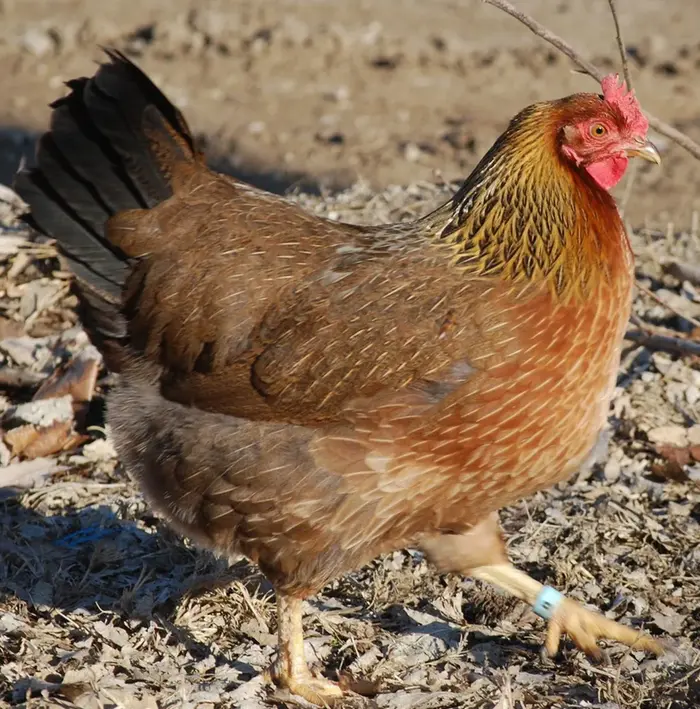
The Welsummer lays 160–250 rich terracotta-brown eggs, often beautifully speckled. They are intelligent, friendly foragers that largely feed themselves on free range, and the roosters are the classic cornflakes-packet cockerel.
My take: A characterful, self-sufficient bird with lovely eggs. Great for keepers who free-range, as they forage brilliantly and are calm and people-friendly.
- Pros: beautiful speckled eggs, excellent forager, friendly.
- Cons: production varies; best on free range.
12. Orpington
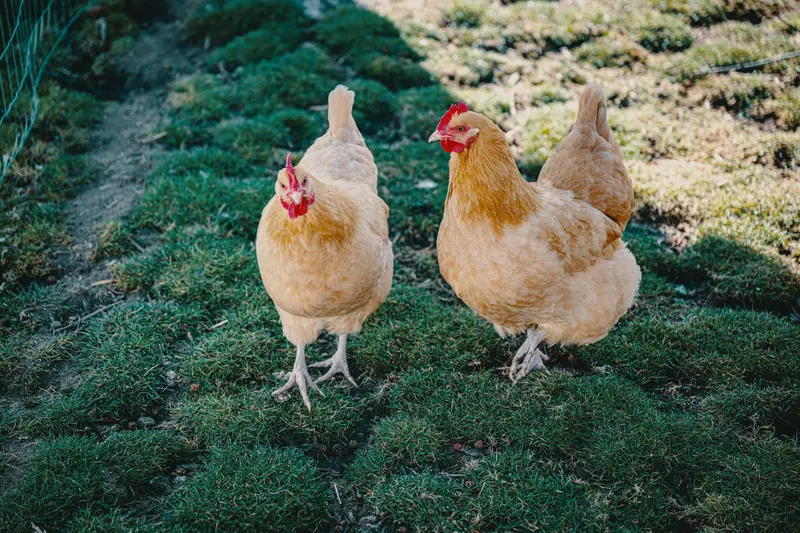
The Orpington (the Buff is the classic) lays 180–200 brown eggs a year and is the ultimate cuddle chicken — huge, fluffy, docile, and endlessly patient. Cold-hardy thanks to their abundant feathering, they are a family favourite despite modest production.
My take: You keep an Orpington for the temperament, not the numbers. If you want a gentle, child-friendly flock and can accept fewer eggs, they are unbeatable. They do go broody readily.
- Pros: gentlest breed, cold-hardy, beautiful, family favourite.
- Cons: lower production, frequently broody, can overheat in summer.
How to choose the right layer for you
Match the breed to what you actually want:
- Maximum eggs: ISA Brown, Leghorn, Rhode Island Red.
- Best for families and children: Australorp, Orpington, Plymouth Rock, Easter Egger.
- Cold climates: Wyandotte, Australorp, Orpington, Rhode Island Red.
- Hot climates: Leghorn, Rhode Island Red, Welsummer.
- A colourful egg basket: Easter Egger, Ameraucana, Marans, Welsummer.
A mixed flock of three or four breeds gives you a steady supply, a range of egg colours, and a more interesting backyard. Most of these breeds coexist happily.
Frequently asked questions
What is the best egg-laying chicken for beginners?
The ISA Brown for maximum eggs, or the Australorp and Plymouth Rock for a friendly, forgiving bird that still lays very well. All three are hardy, calm, and productive — ideal first chickens.
Which chicken lays the most eggs per year?
The ISA Brown and Leghorn lead at up to 320 eggs a year. The Australorp holds the official record at 364 eggs in 365 days. For consistent backyard production, expect 250–320 from these top breeds.
What chickens lay blue or coloured eggs?
Easter Eggers lay blue, green, or pink eggs; Ameraucanas lay true blue; Marans lay dark chocolate-brown; and Welsummers lay speckled terracotta. Mix these for a colourful basket.
How many chickens do I need for a family?
A good rule is 2–3 hens per household member for a steady egg supply. For a family of four, 4–6 productive hens usually provides plenty of eggs, with some to share.
Do I need a rooster for hens to lay eggs?
No. Hens lay eggs with or without a rooster. You only need a rooster if you want fertilised eggs to hatch chicks. Many suburban keepers keep hens only, as roosters are noisy and often restricted by local rules.