
When it comes to hardware cloth vs chicken wire, there is a clear winner for protecting your flock: hardware cloth. Chicken wire keeps chickens in, but it does not keep predators out — hardware cloth does both. If you take away only one thing from this article, make it this: never rely on chicken wire as a predator barrier. Below, I break down exactly how the two differ in strength, cost, durability, and predator-proofing — and where each one actually belongs on your coop and run.
Hardware cloth vs chicken wire — the short answer:
Hardware cloth is welded, rigid, small-gauge steel mesh that stops predators. Chicken wire is thin, flexible, large-hole mesh that only contains birds. Use ½-inch (13 mm) hardware cloth anywhere a predator could reach — walls, floors, vents, and run covers. Save chicken wire for temporary fencing where there is no predator pressure.
I learned this the hard way as a beginner. I built my first run out of chicken wire because it was cheap and — well, the name literally has “chicken” in it. Within two weeks, a raccoon reached straight through the hexagonal holes overnight. I was lucky not to lose a bird, but the lesson stuck. Let me save you that scare with a proper head-to-head.
One thing before we compare: getting the mesh right is essential, but it’s only part of a secure coop. My full guide on how to predator-proof your chicken coop covers the rest, and pairing hardware cloth with a reliable automatic coop door is what stops most flock losses. For more information, also check out the Penn State Free Webinar on Predator Control.
Hardware cloth vs chicken wire at a glance
| Feature | Hardware Cloth | Chicken Wire |
| Construction | Welded joints, rigid | Twisted, flexible |
| Mesh size | ¼–½ inch (6–13 mm) | 1–2 inch (25–50 mm) hexagons |
| Stops predators | Yes — the standard | No |
| Keeps chickens in | Yes | Yes |
| Raccoon-proof | Yes | No — they reach through |
| Weasel/rat-proof | Yes (½ inch / 13 mm or smaller) | No |
| Durability | 10+ years | 2–5 years |
| Cost | Higher upfront | Lower upfront |
| Best use | Coop, run, vents, floors | Temporary garden fencing |
What is hardware cloth?
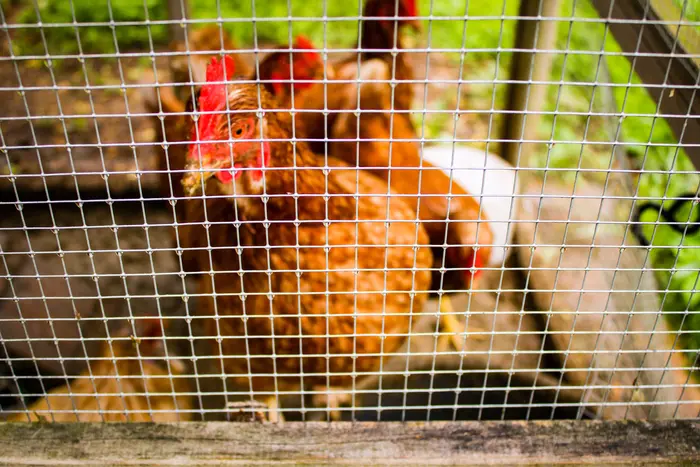
Despite the name, hardware cloth is not cloth at all — it is a rigid, welded steel mesh. The wires are welded at every intersection, so a predator cannot pull it apart or bend the holes open. The small gaps — typically ¼ inch (6 mm) or ½ inch (13 mm) — are too tight for a raccoon’s paw, a weasel’s body, or a rat to squeeze through. It is the material poultry professionals and university extension services point to as the standard for predator exclusion.
Pros
- Genuinely predator-proof against raccoons, foxes, weasels, rats, and snakes
- Rigid and strong — resists chewing, pulling, and pushing
- Long lifespan (10+ years), especially galvanized or PVC-coated
- Works everywhere: walls, floors, vents, windows, and overhead run covers
Cons
- More expensive upfront
- Heavier and harder to cut — you’ll need snips and gloves
- Cut edges are sharp; handle with care during installation
Which gauge and mesh size should you buy?
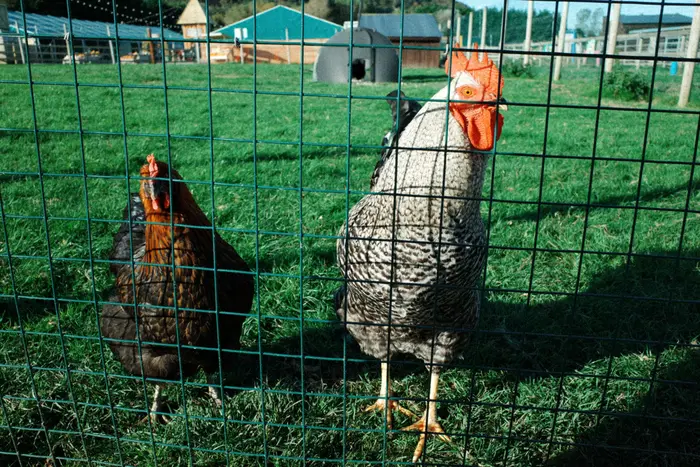
In wire gauges, a smaller number means a thicker and stronger wire. Ideal mesh size is small, smaller than in the image above, since it prevents predators from reaching or even squeezing through. For predator-proofing, ½-inch (13 mm) mesh in 19-gauge (about 1 mm wire) is the sweet spot for most backyard coops. Step up to 16-gauge (about 1.6 mm) for high-pressure areas or larger predators. Drop down to ¼-inch (6 mm) mesh if you have a serious rat or snake problem, since young rodents and small snakes can still pass through a ½-inch hole. Avoid anything larger than ½ inch (13 mm) for any barrier a predator could reach. A roll of ½-inch galvanized hardware cloth is inexpensive insurance for the coop and its vulnerable openings.
PVC-Coated vs. Galvanized Hardware Cloth: Which Is Better?
In short, PVC-coated hardware cloth is definitely best. PVC-coated hardware cloth typically consists of galvanized steel wire with a PVC coating. The coating provides additional corrosion resistance, especially in humid, coastal, or acidic environments, which is why it generally lasts longer than standard galvanized hardware cloth, but at a somewhat higher cost. If you want to predator-proof your chicken coop for the coming 15-25+ years and don’t mind spending the extra money, I would definitely recommend PVC-coated hardware cloth.
What is chicken wire?
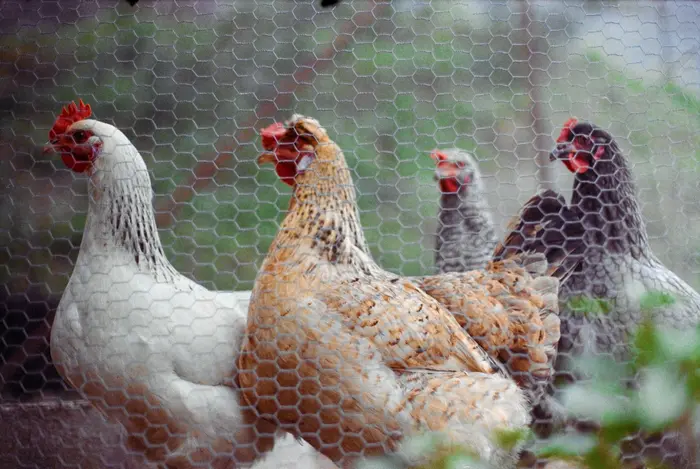
Chicken wire — also called poultry netting — is thin, flexible galvanized wire twisted into hexagonal holes, usually 1–2 inches (25–50 mm) across. It was designed for exactly one job: keeping chickens contained inside an area. It was never meant to be a predator barrier, and it isn’t one.
Pros
- Inexpensive and available everywhere
- Lightweight, easy to cut and shape
- Fine for temporary fencing, garden barriers, and dividing predator-free space
Cons
- Not predator-proof — raccoons reach through and pull birds apart; dogs and foxes tear it open
- Large holes let weasels, rats, and snakes pass straight through
- Thin wire rusts and degrades in 2–5 years
- The flexible weave can be bent or forced open by a determined predator
The most dangerous mistake is using chicken wire as overhead run cover or as the main coop wall. A raccoon can kill an entire flock through a chicken-wire wall in a single night, and climbing or aerial predators exploit the gaps. For anything protective, use hardware cloth.
Head-to-head: the differences that actually matter
Predator protection
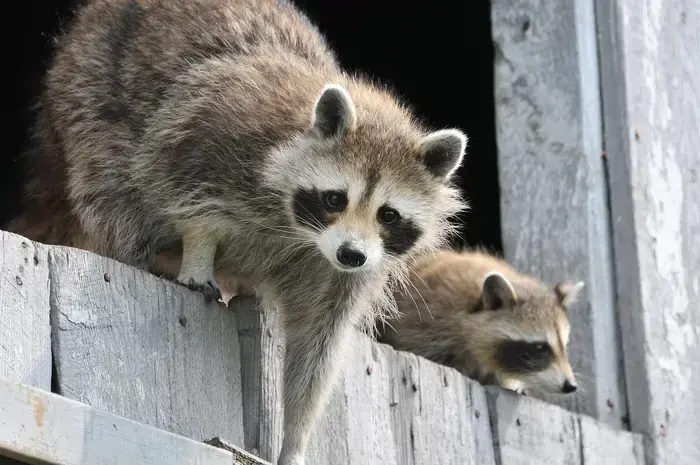
This is the whole ballgame. Hardware cloth excludes predators; chicken wire does not. Raccoons — the most common and most destructive coop raiders — are dexterous enough to reach through a 1-inch (25 mm) hole and pull a sleeping hen apart. Weasels can slip through a gap the width of your thumb. If predator protection is the goal, this comparison is already over. For the full picture of what you’re defending against, see my guide to the most common chicken predators.
Durability and lifespan
Galvanized hardware cloth lasts 10 years or more, and PVC-coated hardware cloth lasts even longer and resists rust in wet climates. Chicken wire typically rusts and weakens within 2–5 years, especially where it meets soil. Over the life of a coop, you’ll often replace chicken wire two or three times — which quietly erases its upfront savings.
Cost and value
Chicken wire is cheaper per square foot, no argument. But “cheaper” and “better value” are not the same thing once you factor in replacement cycles and the cost of a lost flock.
Ease of installation
Chicken wire wins on convenience — it’s light, cuts with regular snips, and bends around corners easily. Hardware cloth is stiffer and heavier, needs proper tin snips and gloves, and its cut edges are sharp. It’s more work to install, but it’s a one-time job done right.
What does it cost?
Prices vary by region, gauge, and coating, but here is the rough picture at the time of writing. Treat these as ballpark figures and check current prices before you buy.
| Material | Approx. cost per sq ft | Approx. cost per sq m | Typical lifespan |
| Chicken wire | $0.30–$0.60 | $3–$6 | 2–5 years |
| ½-inch hardware cloth (19-ga, galvanized) | $1.50–$3.00 | $16–$32 | 10+ years |
| ½-inch hardware cloth (19-ga, PVC-coated) | $2.00–$4.00 | $22–$43 | 15-25+ years |
So galvanized hardware cloth costs roughly three to five times more upfront than chicken wire. But spread across a 10-year lifespan — and weighed against the price of losing your whole flock in one night — it is the cheaper option in every way that counts. If you want the best of the best, go for PVC-coated hardware cloth instead of regular galvanized hardware cloth. If your budget is tight, prioritize hardware cloth for the coop itself and its vulnerable openings first, then extend it across the run over time.
My recommendation by use case
| Use case | Recommended material |
| Coop walls and windows | Hardware cloth (1/2 inch) |
| Run walls (predator zone) | Hardware cloth (1/2 inch) |
| Overhead run coverage | Hardware cloth or heavy netting |
| Buried anti-dig apron | Hardware cloth (1/2 inch) |
| Vents and small openings | Hardware cloth (1/4–1/2 inch) |
| Temporary garden fence (supervised) | Chicken wire is acceptable |
| Dividing a predator-proof run internally | Chicken wire is acceptable |
How to install hardware cloth the right way
Buying the right mesh is only half the battle — how you attach it matters just as much. A few field-tested tips:
- Fasten it down properly. Use screws with washers or poultry staples every few inches, not staples spaced far apart. Predators pull at loose edges.
- Overlap seams by at least 2 inches (5 cm) and secure both layers.
- Bury an apron. Extend hardware cloth 12 inches (30 cm) down or outward in an L-shape to stop diggers like foxes and dogs.
- Cover every opening. Any gap, vent, or pop-hole larger than ½ inch (13 mm) is an invitation.
- Mind the edges. Fold or cover sharp cut edges, and always wear gloves.
Mesh is just one layer of a complete defense. For latches, aprons, lighting, and full coop design, see my guide on how to predator-proof your chicken coop. Because most overnight losses come down to a coop left open at dusk, an automatic coop door paired with hardware cloth closes the biggest gap in most setups. And overhead, hardware cloth is your best defense against hawks and owls.
Frequently asked questions
Can predators get through chicken wire?
Yes, easily. Raccoons reach through the holes and pull birds apart, dogs and foxes tear the thin wire, and weasels, rats, and snakes pass straight through the large gaps. Chicken wire keeps chickens in but does not keep predators out.
What size hardware cloth is best for a chicken coop?
Use ½-inch (13 mm) mesh in 19-gauge for general predator-proofing. Drop to ¼-inch (6 mm) if you have a serious rat or snake problem. Avoid anything larger than ½ inch (13 mm) for protective barriers.
Is hardware cloth safe for chickens?
Yes. It is safe once installed, though the cut edges are sharp — fold or cover them during installation and wear gloves. Once in place it poses no risk to the birds and provides far better protection than chicken wire.
Can I use chicken wire and hardware cloth together?
You can, but the hardware cloth is what provides protection. A common approach is hardware cloth on the lower vulnerable sections and up to about 4 feet, with lighter mesh higher up. For full protection, hardware cloth throughout is best.
How long does hardware cloth last?
Galvanised or PVC-coated hardware cloth lasts 10 years or more. Chicken wire typically degrades and rusts within 2–5 years, so hardware cloth is also more economical over the life of the coop.
Is hardware cloth worth the extra cost?
Overwhelmingly, yes. It costs more upfront but lasts a decade, does the job chicken wire can’t, and protects you from losing your entire flock. Think of it as insurance you install once.