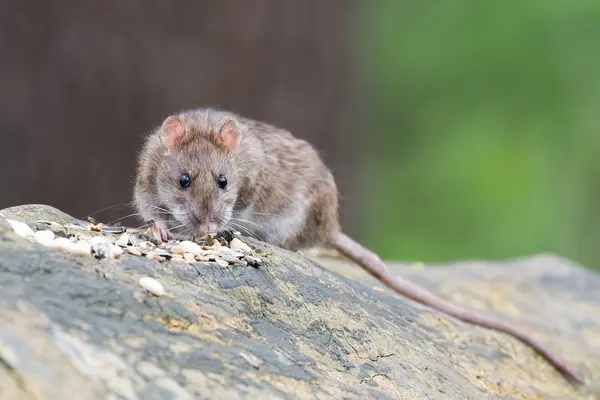
Yes — rats are a real and serious threat to a backyard flock. They steal feed and eggs, kill chicks, gnaw through structures, spread disease, and their presence draws in larger predators. A rat problem left unchecked only grows.
Are rats dangerous to chickens?
Rats rarely kill adult hens, but they can steal eggs and feed, kill chicks, and contaminate food and water with disease. They can also attract predators like owls, snakes, and weasels. Control rats by removing food sources, sealing gaps, and using traps. Preventing rats is much easier than getting rid of them once they settle in.
I did not take rats seriously until I lifted a feed bin one autumn and found a nest tunnelled right under it. By then, they had been helping themselves to my chicken feed for weeks, and I had been unknowingly running an all-you-can-eat buffet. Rats are the predator problem people are most embarrassed about and most slow to address — so let me walk you through exactly why they matter and how to shut them down.
Why rats are a genuine threat to chickens
They steal feed — and it adds up
A single rat eats and contaminates far more than it consumes. A colony can get through pounds of feed a week, and every visit fouls the feeder with urine and droppings. That is money lost and a health risk introduced.
They kill chicks and eat eggs
Rats are opportunistic rather than aggressive predators. They usually target vulnerable animals, especially newly hatched chicks, injured birds, and young poultry that cannot escape. They may bite toes, wings, or faces of sleeping chicks and can cause serious injuries.
They spread disease
Rats carry salmonella, leptospirosis, and a range of parasites, contaminating feed and water. This is a health risk to your birds and to you. Their droppings in the feed are a direct route of transmission.
They attract bigger predators
This is the most overlooked danger. An active rodent population is also a beacon for chicken predators like owls, snakes, weasels, and foxes. Solving your rat problem also reduces the predators that follow them. However, once your rat problem is solved, the aerial predators they attracted may still visit — how to protect chickens from hawks and owls covers that.
They damage the coop
Rats gnaw constantly to keep their teeth worn down — through wood, wiring, and soft metal. That damage creates new entry points for other predators and can start electrical fires where coop wiring is present.
Signs you have rats in the coop
- Droppings — Dark, pellet-shaped droppings about 1/2 inch (1 cm) long, often found along walls, behind feeders, near nesting areas, or close to hiding spots.
- Tail drag marks — Thin trails or lines in dusty soil, mud, or spilled feed where a rat’s tail has dragged along the surface while it moves.
- Gnaw marks — Chewed wood, plastic, or other materials, especially around doors, floors, feed containers, and entry points.
- Burrows and tunnels — Holes about 2–4 inches wide near the coop foundation, under feeders, along fence lines, or beneath structures.
- Missing or wasted feed — Feed disappearing faster than your chickens can eat it, spilled grain around feeders, or signs that something has been digging through stored feed.
- Missing or damaged eggs — Eggs disappearing, broken shells in the coop, or eggs with small bite marks.
- Greasy smudge marks — Dark, greasy streaks along walls, corners, and regular travel routes where rats repeatedly squeeze past surfaces.
- Unusual chicken behavior — Hens reluctant to enter the coop, nervous after dark, or showing signs of stress around nesting and roosting areas.
Why do rats come to chicken coops?
A chicken coop provides almost everything rats need to survive: a reliable food source, water, shelter, and warmth.
The biggest attractions are:
- Chicken feed: Rats can smell grains, pellets, and treats from surprisingly far away.
- Spilled feed: Feed scattered under feeders creates a constant food supply.
- Eggs: Rats are attracted to eggs, especially cracked or abandoned eggs.
- Warm nesting areas: Deep litter, hay, and bedding provide safe places to raise young.
- Protection: Coops often provide shelter from weather and predators.
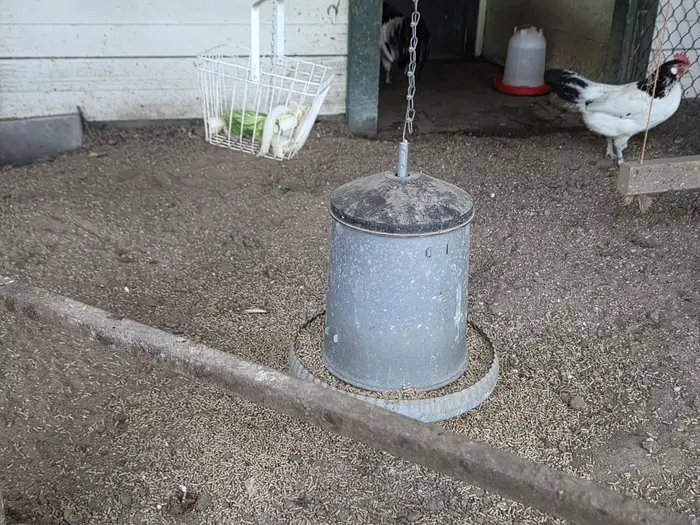
How to get rid of rats — step by step
Getting rid of rats in a chicken coop is not about one single trick. A combination of removing food sources, eliminating hiding places, and blocking access points is the most effective approach for controlling rodents around poultry facilities.
The video below shows some practical examples, and the steps afterward walk you through a complete approach.
Step 1: Remove the food source
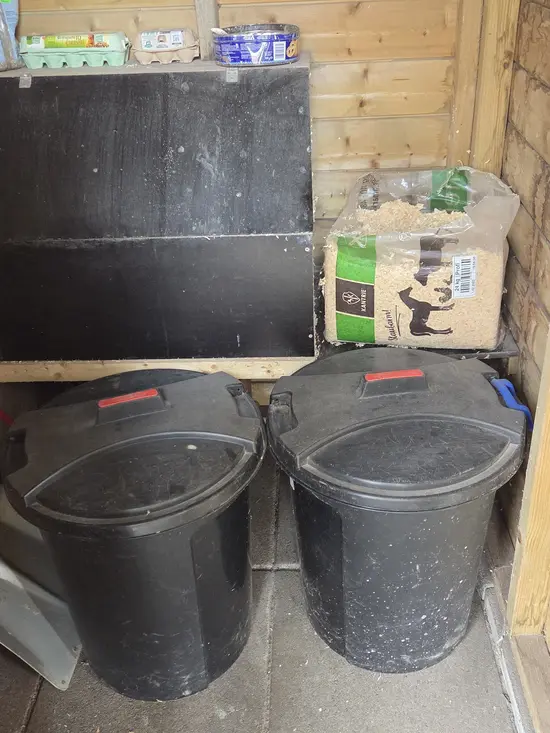
This is 80% of the battle. Rats stay only where there is food.
- Store all feed in sealed metal (or thick plastic) bins with tight lids. Rats gnaw straight through thin plastic and bags.
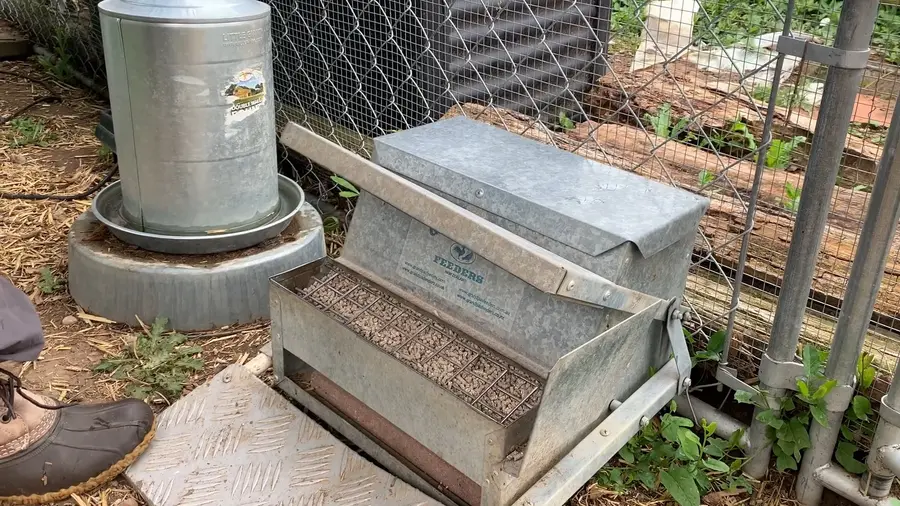
- Remove feeders from the coop at night or use treadle feeders that rats can’t access, like my personal favorite: Grandpa’s Automatic Chicken Feeder. This treadle feeder only opens when a bird steps on it, while rats aren’t heavy enough to open it. It saves me a lot of time moving feeders around every day and night!
- Clean up spilled grain daily. Sweep the coop floor and area around feeders.
- Collect eggs promptly and often.
- Do not leave kitchen scraps or treats out overnight.
Step 2: Remove water and shelter
- Elevate or remove standing water at night where practical.
- Clear debris piles, long grass, and clutter near the coop that offer cover and nesting sites.
- Keep a clear, mowed strip around the coop so rats cannot approach unseen.
Step 3: Seal entry points
Rats squeeze through gaps as small as 1/2 inch (a young rat needs even less). Inspect the coop thoroughly.
- Cover all vents, gaps, and openings with 1/2-inch hardware cloth, screwed down — not chicken wire, which rats gnaw through.
- Fit a hardware cloth floor or buried apron to stop burrowing up from underneath. Concrete is best if you are considering remodeling your coop.
- Seal gaps around doors and where walls meet the floor with metal flashing or hardware cloth. Use special anti-rodent sealant to make sure rats will not chew through it again.
Step 4: Trap Rats
Once food and shelter are removed, trapping clears the remaining population.
- Use classic snap traps inside covered bait stations, positioned so chickens absolutely cannot reach them.
- Place traps along walls and runways where you see rub marks and droppings — rats travel edges, not open spaces.
- Bait with peanut butter, seeds, or nesting material. Pre-bait unset traps for a few nights so rats lose their caution.
Avoid poison bait (rodenticide) around chickens. Poisoned rats can be eaten by hens, dogs, cats, and owls — causing lethal secondary poisoning up the food chain. Snap traps in protected stations are safer and just as effective.
Step 5: Consider a natural Rat predator (carefully)
A good barn cat or a ratting-breed dog can keep rodent numbers down long-term. Introduce them carefully and only once you are confident they are safe around poultry — some cats and many terriers will also chase chickens. This is a supplementary measure, not a substitute for the steps above.
Frequently asked questions
Will rats attack and kill adult chickens?
Rarely. Rats mainly target eggs, chicks, and feed. However, a large rat colony can injure or kill roosting birds at night, and bantams and hatchlings are genuinely at risk. The bigger dangers are disease, feed loss, and attracting larger predators.
How quickly can a rat infestation grow?
A rat problem can become serious faster than many chicken keepers expect. Rats reproduce quickly when they have easy access to food, water, and shelter. A single pair can produce multiple litters per year, allowing a small number of rats to become a colony if the conditions are right.
This is why early action matters. Removing feed sources, sealing entry points, and trapping rats as soon as you notice signs is much easier than trying to eliminate an established infestation.
Do chickens keep rats away?
No — the opposite. Chicken feed, eggs, and warmth actively attract rats. A coop is one of the most appealing rat habitats there is, unless you manage feed and seal entry points.
Is it safe to use rat poison near chickens?
No. Rodenticide risks poisoning your chickens directly and causes lethal secondary poisoning if hens, pets, or owls eat a poisoned rat. Use snap traps in protected bait stations instead.
What smells keep rats away from a chicken coop?
Peppermint oil, and predator scents are sometimes suggested, but their effect is weak and temporary. Commercial rat repellers like the Tomcat Rodent Repellent generally work better because they are very concentrated and combine several scents. Removing food and shelter and sealing entry points works far better than any deterrent smell.
How do I stop rats getting into the coop at night?
Remove all feed at night, store it in metal bins, seal every gap larger than half an inch with hardware cloth, add a buried apron against burrowing, and set snap traps in protected stations along their runways.